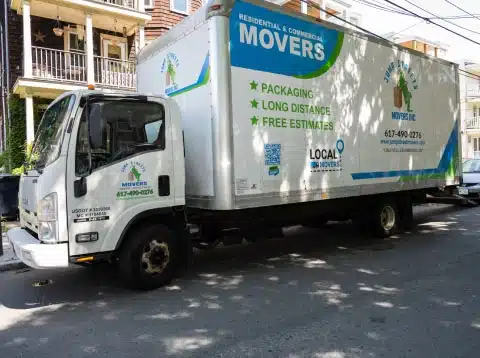


Moving an elderly parent can feel personal in a way other moves do not. You are not just changing an address. You are helping someone adjust to a new routine, new spaces, and new limits. That can bring fear, grief, or frustration, even when the move makes sense. At the same time, you still have work, family, and daily responsibilities. So the moving process needs a plan that protects your parents’ dignity and your own energy. This guide focuses on emotional support, safe physical help, and clear steps you can follow. It also covers Massachusetts locations that suit older adults, plus practical details like documents and insurance. And Jump Streets Movers is here to facilitate the move for both you and your parents with numerous moving services tailored to their needs.
Moving An Elderly Parent Starts With A Clear Plan
Begin with a simple decision map. First, confirm the move type. It may mean downsizing to a smaller apartment, a single-level condo, or a place near family. Then, list the non-negotiables. Think about no stairs, close parking, and bathroom safety. After that, plan support roles. One person handles calls and appointments. Another handles sorting and packing. A third handles movers and building rules. This structure helps when emotions rise. It also protects your time. When you start relocating an elderly parent, small decisions add up fast, so write them down. A shared checklist stops repeat questions and reduces tension.

Moving an elderly parent requires careful planning.
Packing Plan
Next, create a comfort-first packing plan. Start with the rooms your parents use daily. Keep those areas calm as long as possible. Then pack “rarely used” items first, like extra dishes and decor. Keep the box weight low. Use clear labels with room names and short notes. Place a chair in each room so your parent can sit and sort safely. Set a daily limit, like one hour of sorting. Stop before fatigue hits. Also, plan a “memory day” for photos, letters, and keepsakes. Grief often shows up there. Short sessions work best. If you move more slowly here, you avoid conflict later. However, the best solution is to use professional packing services to facilitate your parent’s move.
Moving An Elderly Parent With Dignity And Emotional Support
Support starts with language and choice. Give options that feel real, not forced. Offer two clear paths, not five. Then pause and let them answer. Keep the focus on control and comfort. When your parent resists, name the feeling instead of pushing facts. That lowers defensiveness. Use a few steady habits during the process, like the same sorting time each day. Also, keep familiar items visible, like a favorite blanket or photo. That reduces the sense of loss. If your parent struggles with change, short check-ins help more than long talks.
Use simple steps that protect dignity during hard moments:
- Ask, “What Feels Hardest About This Today?”: Start conversations with empathy to understand concerns and reduce stress during the process.
- Offer One “Keep” Bin for Sentimental Items: Provide a dedicated space for meaningful belongings so your parent feels comfortable holding onto special memories.
- Schedule Breaks Before Frustration Starts: Plan regular pauses to rest and reset energy levels, helping the process stay calm and manageable.
- Invite a Trusted Friend for Support: If your parent agrees, having a familiar person present can provide reassurance and emotional support.
After that, plan the first week in the new place as an adjustment week. Keep expectations low. Bring familiar bedding, kitchen basics, and a few personal items first. Call it the “comfort setup.” You can handle deeper organizing later. If siblings disagree, use the priority list you made in the first talk. It helps you stay aligned. Also, protect your own patience. Eat on time. Sleep enough. Take short walks. Emotional support works better when you feel steady, too.

Keep memory items at hand to reduce the stress of an elderly move.
Relocating An Elderly Parent To A New Home In Massachusetts
Massachusetts offers many areas that work well for older adults, yet each fit depends on health access and daily routines. In Greater Boston, consider Newton, Brookline, Arlington, and Lexington for nearby care and easy services. Lexington also has Kendal at Lexington as one senior living option. On the North Shore, look at Beverly, Salem, and Peabody. Peabody includes Brooksby Village, which many families consider for senior living.
In MetroWest, Framingham, Natick, and Needham often work well for errands and medical access. Needham includes North Hill, a well-known senior community. In Western Massachusetts, Northampton and South Hadley may suit those who want a quieter pace.
Whichever place your parent chooses, rely on our local movers, such as movers Newton MA, to make your parent relocation easy from start to finish.
How to Choose the Best Location
Now match the town to your parent’s real day-to-day needs when choosing the best MA location. Start with medical networks and appointment travel time. Many families prioritize access to Massachusetts General Hospital, Brigham and Women’s Hospital, Beth Israel Deaconess Medical Center, or Lahey Hospital & Medical Center. Then check senior center programs, ride options, and winter sidewalk care. Also, look at the housing style. Single-floor living helps many parents. Elevators matter in condo buildings. If your parent walks daily, choose flatter areas and nearby grocery options. When relocating an elderly parent within Massachusetts, visit at the same time of day your parent will run errands. That reveals traffic, parking, and noise.
Relocating An Elderly Parent To A Retirement Community
Retirement communities can reduce home maintenance and increase social support, yet they also bring rules and adjustments. Start with care needs today and likely needs later. Ask about assisted living, memory care options, and how they handle care changes. Then ask about medication support, emergency response, and staffing overnight.
Also, review move-in policies when moving an elderly parent. Some MA senior communities require specific insurance from moving vendors. Others limit move-in hours or require elevator reservations. Get those rules early so you avoid last-minute problems. Also ask about meal plans, guest policies, and activity schedules. These details shape comfort more than brochures do.

Let your parent adjust to a community.
Help Your Parent Adjust to Community Life
Plan a gentle social start. Your parent may feel awkward at first. Schedule one easy activity in the first week, like a coffee hour or a light exercise class. Keep family visits predictable. That helps your parent settle without feeling watched. Bring familiar furniture if the space allows it. A known chair or table can reduce anxiety. If your parent downsizes sharply, plan a “memory shelf” with a few meaningful items. That keeps identity visible. When you start relocating an elderly parent into a retirement community, aim for a calm first month, not a perfect first day.
Moving An Elderly Parent Safely On Move Day
Move day needs a safety plan that matches your parent’s energy. Choose a morning start if possible. Keep meals simple and hydration steady. Assign one person to stay with your parent at all times. That helper manages breaks, meds timing, and calm reassurance. Keep a chair nearby and a small bag with snacks, water, and a phone charger.
Avoid Injuries
If your parent insists on packing alone, guide them toward light tasks only. Avoid stairs, lifting, and carrying boxes. Also, keep hallways clear. Clutter causes trips. If your parent has balance issues, plan for them to arrive after loading begins. That limits noise and chaos.
Use these injury-prevention rules when moving an elderly parent:
- No Lifting Furniture or Heavy Boxes: Avoid handling heavy items to reduce the risk of injury or strain.
- No Carrying Items on Stairs: Use assistance or proper equipment to move items safely between levels.
- No Step Stools or Ladders: Stay off elevated surfaces to prevent falls and maintain safety.
- Stop at Any Sign of Dizziness or Pain: Pause immediately and seek help if discomfort or symptoms occur.
What if Your Parent Wants to Pack Alone
If your parent wants to pack alone, set boundaries early. Offer a packing station at a table, with tape, labels, and scissors. Give them small boxes and a strict weight limit. Ask them to pack linens, towels, or light clothing. Then you handle lifting and transport. This approach keeps independence while reducing risk. It also prevents accidents that could delay the move. Keep communication calm and short. Praise effort, not speed. Your goal is safety and dignity, not finishing fastest.
Prepare Documents
Before moving an elderly parent, gather documents in one folder that you can carry. Keep printed copies and digital photos on your phone. This reduces panic if something goes missing. Use one checklist and check items off together. Here are the most common documents families need:
- Photo ID, insurance cards, medication list, pharmacy details
- Lease, deed, community contract, building move-in rules
- Utility account info, change-of-address list, key contacts
- Health care proxy or power of attorney, if your family uses them
Then place the folder in your personal bag, not a moving box. That keeps it accessible during the busiest hours.

Gather the necessary documents when relocating an elderly parent.
After The Move
The last step focuses on the weeks after the move. The home may look finished, yet emotions can lag behind. Plan two simple routines right away, like a morning walk route and a weekly grocery plan. Set up the bedroom first, then the bathroom, then the kitchen. Keep familiar items visible. If your parent feels overwhelmed, reduce decisions for a few days. Offer two choices at a time. Also, protect your own schedule. Use time blocks for visits, calls, and errands. Ask siblings for specific tasks, not general help. When you keep the plan steady, moving an elderly parent feels less like a crisis and more like a supported change.
Moving an Elderly Parent is Easier With Senior Moving Services
Moving an elderly parent often feels heavy because it mixes logistics with emotions. Senior moving services reduce that load in practical ways. Crews handle lifting, stairs, and tight hallways. They also keep items protected and organized. This lowers the risk of falls and strain, especially when your parent wants to help. It also gives you more time for the parts only family can do, like reassurance and decision support.