

Thinking about living in Worcester? Whether you’re drawn by its central location in Massachusetts, its mix of urban and suburban energy, or the chance to build a life in a city with both history and ambition, Worcester offers a unique experience. Here’s a look at what you should know before you move with Massachusetts movers or settle in—covering basics, cost of living, jobs, safety, schools, and more.
A Snapshot: Location & Population
Worcester sits near the geographic center of Massachusetts, earning it the nickname the “Heart of the Commonwealth.” It’s about 40–45 miles west of Boston. Close enough for occasional access, while still allowing for a more affordable, less hectic lifestyle. The city spans about 37.4 square miles, with a population density of over 5,500 people per square mile.
So in short: Worcester is large enough to feel like a full-fledged city, but compact enough that many neighborhoods remain walkable and community-oriented.
Cost of Living in Worcester: Housing, Rent, and More
One of the first things many people check when considering living in Worcester is housing. Here’s how things generally stack up:
- Median home value in Worcester is about $339,500, compared to the U.S. median of $303,400.
- Median rent is about $1,415, versus the national median of $1,348.
- In Worcester, about 58% of residents rent, while 42% own their home (i.e. housing tenure leans toward renting).
These numbers suggest that housing is a significant cost, but not wildly out of line with national standards. Keep in mind that certain neighborhoods will be much more affordable than others, and that home values and rents can shift over time.
All told, living in Worcester offers a middle ground: it’s more expensive than many rural or small-town areas, but generally more affordable than Boston or many parts of the Northeast corridor. So, if moving here is worth the price, consider hiring moving companies Worcester MA offers in order to move without any stress.

Worcester’s cost of living is high, but not much in comparison to other MA cities.
Working in Worcester: Jobs and Industries
If you’re living in Worcester, job opportunities are a key factor, and the city has several sectors that consistently hire. While Worcester’s employment grades tend to lean average (Niche.com rates it a “C” based on job growth, employment rates, and cost metrics), there is real opportunity, especially in certain fields.
In terms of household income: the median household income in Worcester sits around $67,544, which is lower than the national median of $78,538.
In short, if your skills align with health, STEM, education, or technical trades, living in Worcester offers pathways, though competition and credentials still matter.
Crime Rates in Worcester
One of the key factors to check before moving to Worcester is the crime rate. Namely, Worcester’s crime profile is mixed, and it’s important to go in with eyes open.
Niche.com grading systems often assign Worcester a C-minus in terms of crime and safety, based on rates of violent crime and property crime. Worcester reports about 496.7 assaults, 5.3 murders, 20.3 rapes, and 80.4 robberies per 100,000 residents, while property crimes include roughly 336.9 burglaries, 1,165.7 thefts, and 164.6 motor vehicle thefts, all generally below national averages except for assault.
Schools: From Elementary to High School
If you’re moving with kids, schooling is often a make-or-break factor. Worcester offers a range of options, public, charter, magnet, and private. Below are a few notable ones across grade levels.
- West Tatnuck Elementary School – High-performing public elementary with strong community support.
- Sullivan Middle School – Well-ranked middle school with solid academic programs.
- Massachusetts Academy of Math & Science (MAMS) – Elite public magnet high school focused on STEM.
- Bancroft School – Prestigious private PreK–12 school known for academic excellence.
- Abby Kelley Foster Charter Public School – Respected K–12 charter offering a balanced, rigorous curriculum.
And for higher education, Worcester is one of the best MA cities for future professionals to move to since it is home to 10 colleges, including Holy Cross, Assumption, and WPI.

Living in Worcester with kids is great since there are many school options.
Living in Worcester: Things to Do
Worcester has a fun, down-to-earth vibe that mixes great food, live music, and plenty of outdoor fun. You can catch a show at The Palladium, stroll along Restaurant Row on Shrewsbury Street for dinner at Volturno, or enjoy farm-to-table dishes at Deadhorse Hill on Main Street. When you need a break from the city buzz, there are more than 60 parks to explore — from the peaceful Elm Park and Mass Audubon Broad Meadow Brook to the sparkling Lake Quinsigamond.
Pros & Cons of Living in Worcester
Living in Worcester has a lot to offer, and the positives really stand out. Its central location in Massachusetts makes trips to Boston easy while keeping living costs more reasonable. The city has a good mix of housing options, job opportunities in healthcare, education, and biotech, and schools to suit a variety of families. Add in a vibrant, diverse community and a growing population, and it’s easy to see why people feel at home here. Sure, some areas have higher crime rates and incomes are a bit below the national average, but for many, the city’s affordability, opportunities, and friendly character make it a great place to live.

If you want to move to Worcester, rely on professional movers.
Move to Worcester With the Best MA Movers
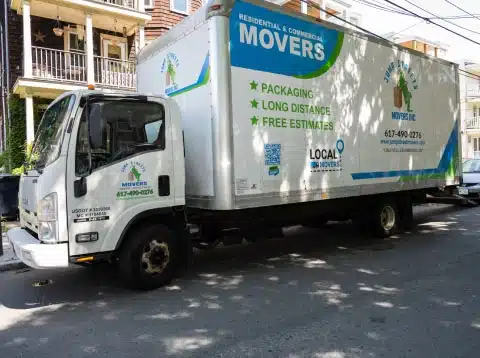
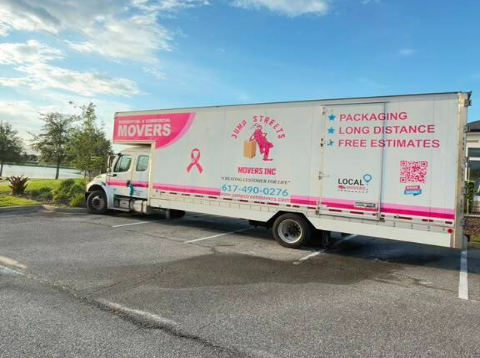
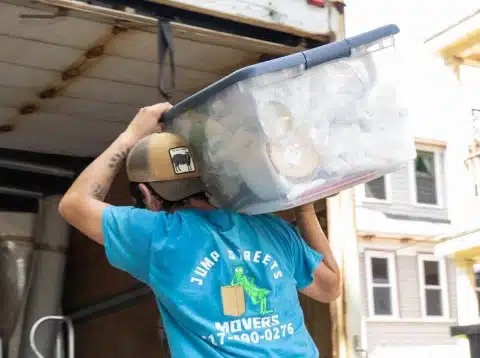
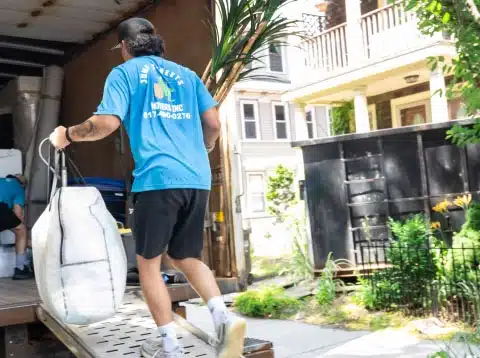
Thinking about living in Worcester? Make your move simple and stress-free with reliable local movers in Massachusetts. From packing to transport, experienced movers handle every step so you can settle into your new home with ease. Trust local experts to get you and your belongings to Worcester safely and efficiently.
References:
Living in Worcester. (n.d.). Niche. https://www.niche.com/places-to-live/worcester-worcester-ma/
Worcester. (2023). Discovercentralma.org. https://www.discovercentralma.org/towns-cities/worcester/