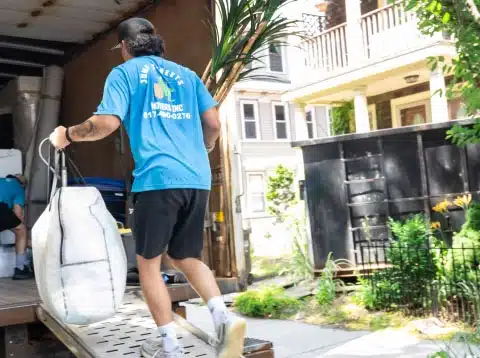


The honest answer: a DIY move is usually cheaper on paper, but once you add truck rental, fuel, equipment, your own time, and the risk of damage or injury, the gap narrows fast. For a small studio with a helper or two, doing it yourself can make sense. For anything with stairs, heavy furniture, or a tight timeline, hiring local movers often costs less than it looks once you count everything.
Here is how the two really compare for a move around Greater Boston.
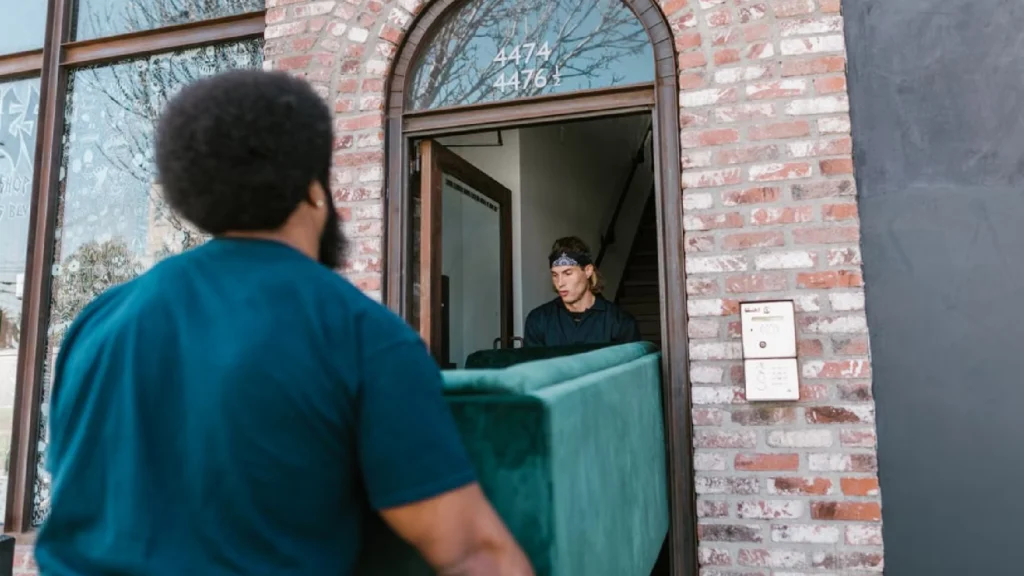
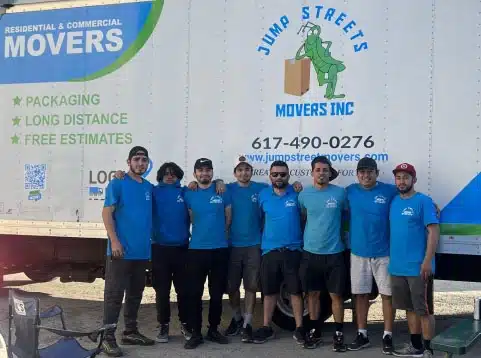
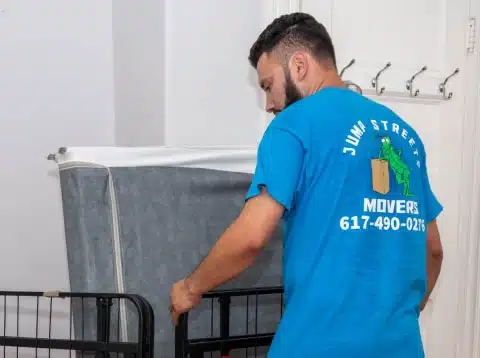
Our experienced crew handles stairs, heavy furniture, and tight Boston parking with ease.
The full cost comparison
Most people compare only the sticker price, a rental truck against a moving quote. The real comparison includes time and risk, which have a dollar value too.
| Factor | DIY move | Hiring local movers |
| Truck and equipment | Rental truck, dolly, pads, plus fuel and mileage | Included in the quote |
| Labor | You and whoever you can recruit | A trained crew |
| Your time | A full day or more, plus planning | A few hours of oversight |
| Physical risk | Injury and strain, especially on stairs | Handled by the crew |
| Damage risk | On you, no coverage | Covered under the mover’s valuation |
| Heavy or awkward items | Your problem to solve | Standard for professionals |
| Boston parking and permits | You arrange it | Experienced movers plan for it |
| Typical total | Roughly $150 to $600 (truck, mileage, fuel, and supplies, you provide the labor) | Roughly $500 to $2,500, about $1,500 on average (2 to 3 person crew, billed hourly) |
When DIY actually wins
DIY tends to make sense when the move is small and simple:
- A studio or one bedroom with a light furniture load
- A ground floor or elevator building at both ends
- A flexible schedule and a couple of reliable helpers
- A short distance within the same town
If that is your situation and you are comfortable driving a rental truck through Boston traffic, doing it yourself can save real money.
When hiring movers is the smarter call
Professional movers usually come out ahead when the move has friction, and most Boston moves do:
- Third floor walkups, narrow stairs, or a long carry to the truck
- Heavy or high value items like a couch, a fridge, or anything fragile
- A tight closing or lease deadline with no room to run over
- Street parking that needs planning, which is most of the city
The value here is not only the muscle. It is speed, protection for your belongings, and not spending your moving day worrying about a double parked truck.
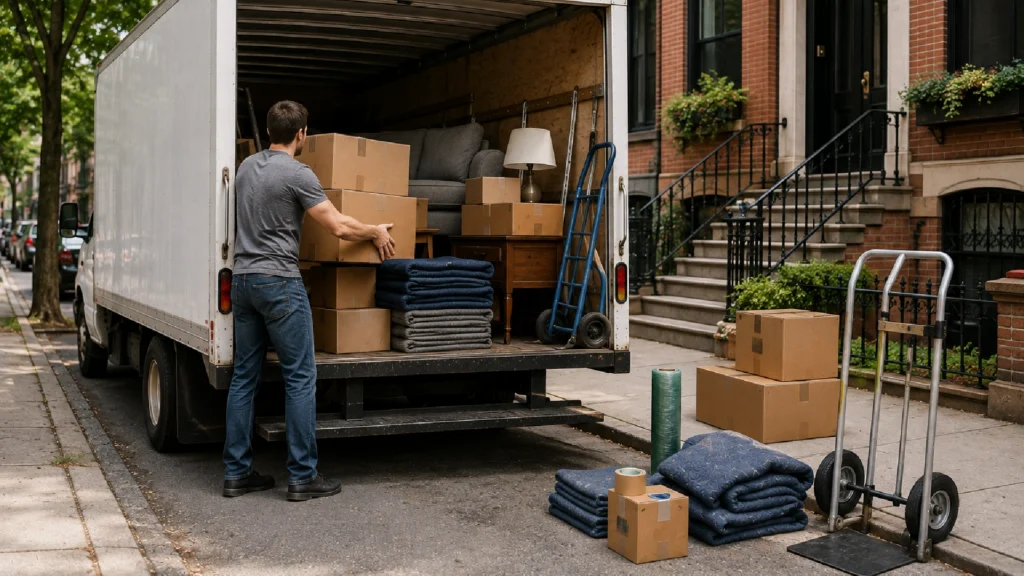
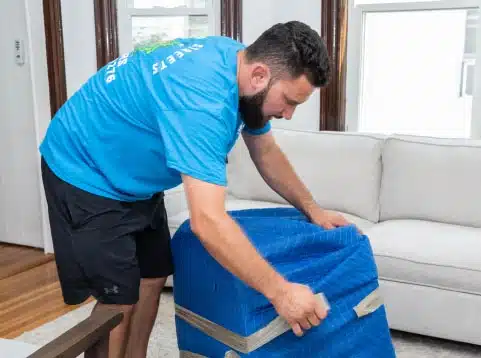
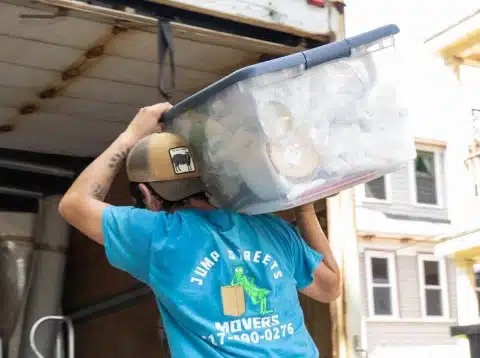
Fuel, supplies, and your own time all add up in a DIY move.
The costs people forget in a DIY move
When you run your own numbers, do not leave these out:
- Fuel and mileage on the rental
- Pads, straps, a dolly, and boxes
- Food and thank you money for helpers
- A day of your own time, and possibly time off work
- The cost of any damage, since a DIY move has no coverage
Add those up and the DIY total often lands closer to a professional quote than expected. For a realistic local number, see our local moving cost guide, and if you do hire a crew, our note on how much to tip movers helps you budget the last piece.

Get a free, no-pressure quote and compare it against your DIY estimate.
A simple way to decide
Ask yourself three questions. If you answer yes to two or more, hiring movers is likely the better deal:
- Does my move involve stairs, heavy items, or fragile pieces?
- Is my time worth more than a day of hauling boxes?
- Would a damaged item or a strained back cost me more than the savings?
Get a real number before you decide
The best way to compare is with an actual quote next to your DIY estimate. Request a free quote for your local move and put both numbers side by side.
Frequently asked questions
Is it cheaper to move yourself or hire movers?
A DIY move is usually cheaper upfront, but once you add truck rental, fuel, equipment, your time, and damage risk, hiring local movers is often close in cost and far less stressful, especially for moves with stairs or heavy items.
How much can I save with a DIY move in Boston?
Savings are largest for small, simple moves. A rental truck plus supplies often totals $150 to $600, versus roughly $500 or more for a professional crew, so a studio or one-bedroom DIY move can save a few hundred dollars. For anything with stairs, heavy furniture, or a tight deadline, that gap shrinks or disappears once you add fuel, your own time, and the risk of damage, since a DIY move carries no coverage.
Do movers handle Boston parking and permits?
Experienced local movers plan around city parking and know how to position the truck. On a DIY move, arranging parking is your responsibility.
What is the biggest hidden cost of moving myself?
Usually a tie between your own time and the risk of damage or injury, since a DIY move carries no coverage if something breaks.