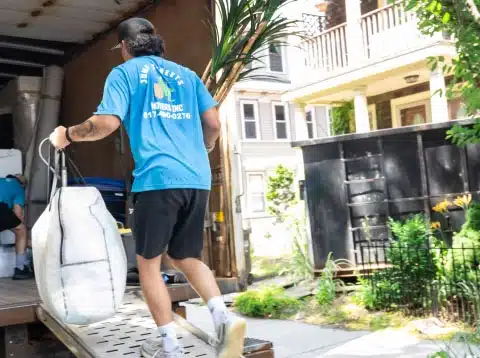


Books look simple. Yet they turn into heavy, shifting loads fast. So a smart plan protects your shelves and your back. Movers MA show how to pack books with less mess and fewer dents. You will also learn what changes with paperbacks, hardcovers, and rare finds. Then you can unload in Newton and start reading again.
How To Pack Books: Box Size And Supplies
Small boxes win every time. Large boxes get too heavy, too fast. So pick sturdy small cartons, then tape them well. Next, gather padding that will not stain covers. Use this checklist before you start packing books for moving:
- Small, strong boxes with clean interiors
- Packing paper or clean kraft paper
- Bubble wrap for sturdy covers only
- Cardboard sheets for flat layers
- Painter’s tape for gentle labeling
- A thick marker and simple labels
Keep a “test box” ready. Fill it with books, lift it, and adjust. If it feels too heavy, split the load right away.
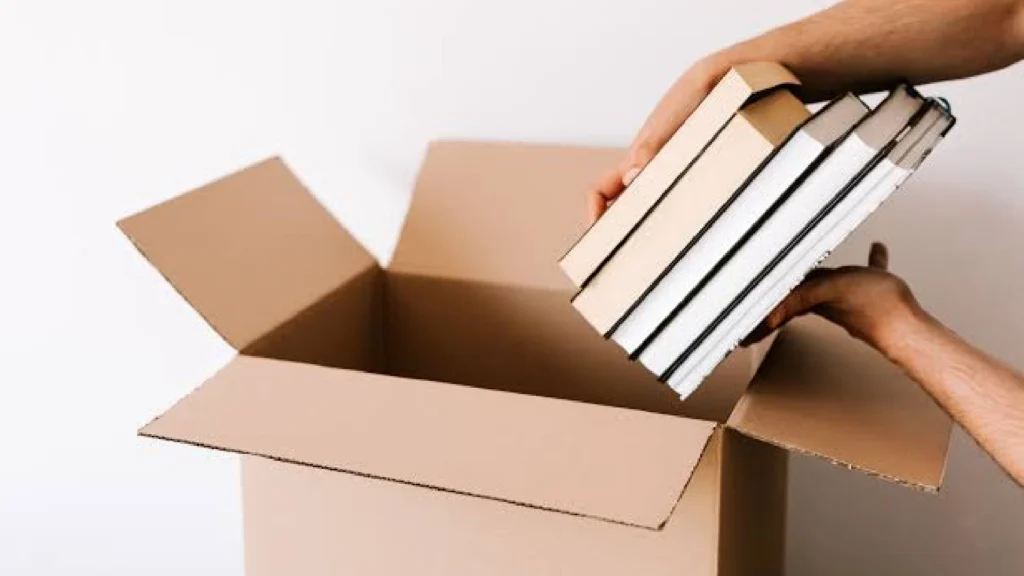
Cardboard boxes sometimes are not enough. Use them only for a small amount of books.
Sort First, Then Group By Book Type
If you wonder how to pack books properly, start wth sorting. Sorting saves time later. It also stops you from mixing fragile items with heavy volumes. Start with three quick piles: keep, donate, and sell. Then make smaller groups by type. Put paperbacks together. Group hardcovers and textbooks next. Set kids’ books and board books aside. Make one more group for collectibles, antiques, and signed copies. This way, you pack each stack with the right method. It also helps you label faster. Take photos of full shelves before you empty them. That small step speeds up re-shelving in the new place. It also helps you spot missing titles later.
Pack Paperbacks Without Bent Spines
Paperbacks crush and curl if you pack them wrong. Stand most paperbacks upright, as they sit on a shelf. Then alternate spine directions in each row. That reduces pressure on one edge. Fill gaps with packing paper. Tight rows stop sliding during the drive. Still, do not jam books so hard that covers bend. Keep the top layer flat and even. Then close the flaps without forcing them. If a paperback has a curled cover, place it between two flatter books. That supports it during transit. Also, keep water away at all times. Damp paperbacks warp fast.
Protect Hardcovers And Textbooks From Corner Damage
Hardcovers handle stacking better. Yet their corners chip easily. So place hardcovers flat in small stacks. Put the heaviest ones on the bottom. Then add a cardboard sheet between layers if the edges look sharp.
Textbooks often have glossy covers. Those covers scratch when they rub. Wrap each one in clean paper, then stack. If a book has a dust jacket, remove it first. Pack the jacket flat in a separate folder. That keeps it from tearing. Avoid mixing hardcovers with small breakables. Weight shifts during turns and stops. So keep book boxes “books only” whenever you can. The best is to use professional packing services when packing different types of books together.
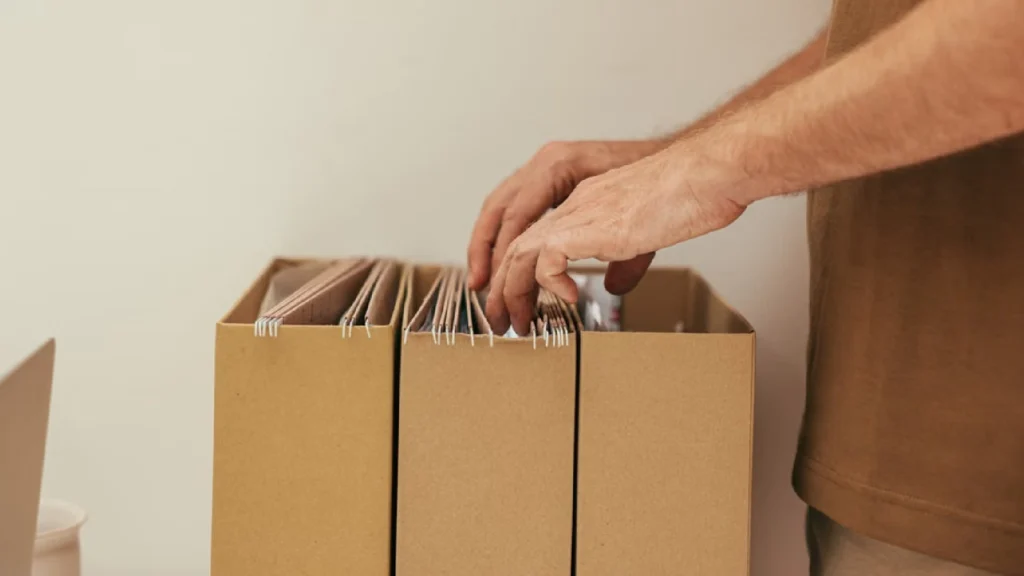
When thinking about how to pack books, think about using dividers.
Handle Comics, Magazines, And Thin Volumes With Extra Support
How to pack books such as comics, magazines, and others? Namely, comics and magazines bend at the corners. So use rigid backing. Slide them between two cardboard sheets. Then keep them flat, not upright. Use smaller bundles, not tall piles. Tall piles slump in the middle. If you collect bagged comics, keep them bagged. Then pack them snug so they cannot slide. Place a rigid sheet on top before sealing the box.
Cookbooks and coffee table books need care, too. They weigh a lot and often have coated pages. Pack them flat in short stacks. Then split them across two boxes, not one.
Safeguard Antique, Rare, And Signed Books
Old bindings can crack from pressure. Some covers also react to plastic. So wrap antiques in acid-free paper if you have it. If you do not, use clean, unprinted paper. Avoid newspaper ink on light covers. Place each rare book in its own wrap. Then cushion all sides with paper. Keep the box snug, yet not tight. Mark the box as fragile and keep it out of damp areas.
If the move includes a long wait, consider climate-controlled storage. Temperature swings harm older paper and glue. Also, keep high-value books with you if possible. That reduces risk during loading and unloading. However, the best way to protect rare antique books is to hire movers in Arlington MA and let them sort, pack, and transport them.
Labeling That Makes Unpacking Fast
Good labels save hours on move-in day. So label the top and one side of each box. Use simple room names and clear categories. Then add a box number for tracking.
Try this quick labeling system:
- Room + category (Office–Reference, Living Room–Novels)
- Box number (1 of 8, 2 of 8)
- Handling note (Heavy, Fragile, Do Not Stack)
- Priority tag (Open First, Store, Donate)
- Put a book inventory list as another label
Keep one note on your phone with box numbers and key titles. That helps if you need a specific book right away. It also helps if a box lands in the wrong room.

Use a labelling system that suits you best.
Load Boxes Safely For The Drive
Book boxes injure people more than they damage books. So protect your back first to avoid moving injuries. Keep each box light enough to lift with control. If you strain, split the box and tape both again. Use a dolly for long hallways and stairs. Also, stack book boxes on the bottom in the truck. Then place lighter items on top. This stops crushing and keeps the load stable. Avoid leaving boxes in a cold truck overnight. Cold makes tape fail and paper contract. So bring high-value books inside if you stop for the night.
How To Pack Books: Unpack And Store The Right Way
Unpacking goes faster with a plan. After your movers in Newton MA u unload a moving truck, start with the boxes marked “Open First.” Then set up shelves before you stack books on the floor. Shelves keep books clean and dry. Check for dampness as you open boxes. If you spot moisture, air out the books in a dry room. Do not use heat blasts, since covers can warp. Wipe dust off hardcovers with a soft cloth. Then place them back on the shelves.
Keep rare books away from direct sunlight. Sun fades spines fast. Also, avoid tight spots near radiators and vents. Stable indoor conditions help books last longer. Start early, stay consistent, and follow how to pack books as you box each shelf.