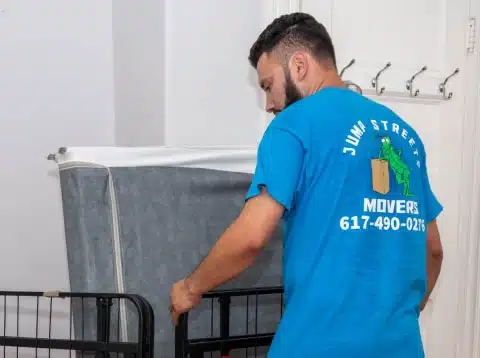


If you’re moving to a community in the Bay State, you may encounter a Homeowners Association (HOA). Understanding Massachusetts HOA laws and regulations will help you settle in smoothly, avoid conflicts, and make the most of your new neighborhood. In Massachusetts, HOAs set community rules, manage shared spaces, and collect fees to keep things running well. Knowing your rights and responsibilities from the start will help you live more comfortably. However, it is also important to start right and hire professional moving companies in Massachusetts that are acquainted with the MA HOA laws in order to settle right.

What Massachusetts HOA Laws Cover
HOAs in Massachusetts operate under both state and federal laws. The HOA laws in Massachusetts come mainly from the Massachusetts Condominium Act (Chapter 183A), which explains how associations are formed, run, and managed. They also follow the association’s own bylaws, which outline rules on fees, maintenance, and behavior within the community. State law protects homeowners by allowing them to challenge HOA decisions in court if needed. HOAs must also keep clear records and make them available to residents who request them.
Starting and Running an HOA in Massachusetts
Creating an HOA starts with filing a master deed and setting covenants, conditions, and restrictions (CC&Rs). These documents become the foundation for the community’s rules. HOAs must:
- Maintain financial and property records
- Hold regular board meetings and elections
- Follow bylaws and state laws when making decisions
- Board members have a duty to act in the community’s best interest. They manage budgets, enforce rules, and maintain common areas.
Fees, Assessments, and Fines
In Massachusetts, HOAs collect regular assessments (monthly or yearly fees) to cover costs like landscaping, snow removal, and shared utilities. They may also issue special assessments for major repairs, such as roof replacements or emergency projects.
If a homeowner violates community rules, the HOA can issue fines. The process for fines must be outlined in the bylaws and follow MA HOA laws to ensure fairness. So, if you are moving to MA, avoid unnecessary fines and hire local movers in Massachusetts – they will conduct the move according to HOA laws in MA, so you’ll make sure to follow all the rules.
Homeowner Rights and Responsibilities
As a homeowner, you must follow the community’s covenants and pay all required fees. However, you also have the right to:
- Access HOA records
- Vote in elections and on major decisions
- Request dispute resolution before legal action
- HOA rules must comply with state and federal laws, including the Fair Housing Act, which prohibits discrimination.
Meetings and Voting in Massachusetts HOAs
HOAs are required to hold at least one annual meeting, with proper notice to all members. These meetings are where budgets, repairs, and rule changes are discussed and voted on. Voting can happen in person, by proxy, or even electronically, depending on the bylaws.
Changing HOA Rules and Documents
Communities evolve, and HOA rules can change. Amending bylaws or CC&Rs usually involves:
- Proposing the change
- Notifying all homeowners
- Voting (often requiring a supermajority)
- Approved changes must be recorded with the local registry of deeds to be valid.

How You Can Be Involved in Rule Updates
Even as a newcomer, you have a voice in how your community is run. If your HOA proposes an amendment, it must notify all homeowners, including you. You’ll usually have the chance to review the proposed change, ask questions, and vote if you’re eligible. Some amendments may require a large majority to pass, so your participation can make a real difference in the outcome.
Massachusetts HOA Laws and Regulations: Common Challenges
HOAs often face challenges like disputes between neighbors, budget shortages, or emergencies such as snowstorms and flooding. Successful HOAs handle these issues with clear communication, consistent rule enforcement, and emergency plans.
Services and Amenities Maintained by HOAs
Many HOAs in Massachusetts manage and maintain amenities that add value to the community:
- Landscaping, parks, and shared gardens
- Swimming pools, clubhouses, or fitness centers
- Snow removal and road maintenance
- The quality of these services can affect property values, making them an important part of HOA management.
The quality of these services can affect property values, making them an important part of HOA management. Moving into a new community can sometimes lead to accidental rule violations—like parking in restricted areas or leaving items in shared spaces – but hiring professional moving services in Massachusetts can help you avoid costly HOA fees by ensuring the process is smooth and compliant with local rules.
Special Massachusetts HOA Rules to Know
Some rules are unique to Massachusetts communities. For example, HOAs cannot ban solar panels outright, though they may regulate placement. Federal rules also protect homeowners’ rights to install small satellite dishes for TV and internet services. Local laws and location (coastal vs. urban) may shape HOA rules even further.
Why Staying Informed About Massachusetts HOA Laws and Regulations Matters
New residents sometimes focus on settling in and forget to attend HOA meetings. However, those meetings are where changes to the community’s rules are often discussed and decided. By staying informed, you can help ensure any updates are fair, reasonable, and in the best interest of all homeowners—yourself included.

Use HOA Advantages
Moving into an HOA community can be a positive experience if you understand the rules from day one. Massachusetts HOA laws and regulations are designed to balance the needs of the community with the rights of individual homeowners. By learning the basics, asking questions, and staying involved, you can help keep your nei