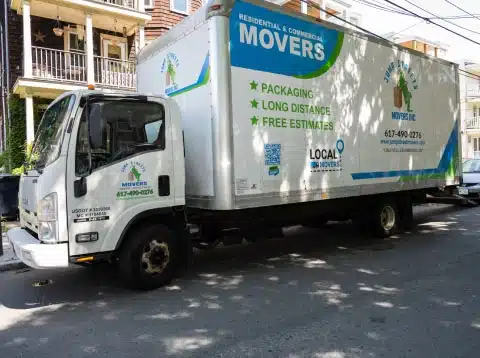


The short answer: choose a mover that is licensed by the state, carries real insurance, gives you a written in-home estimate, and has a track record you can verify. In Greater Boston that means confirming three things before you sign anything, the company’s license, its coverage, and its reputation. Everything else, from price to crew size, comes after those boxes are checked.
Here is how to work through it step by step.

Person comparing moving companies online before hiring in Boston MA
Confirm the company is licensed
In Massachusetts, any company that moves household goods within the state must hold an operating authority certificate, commonly called a household goods mover license, issued by the Massachusetts Department of Public Utilities (DPU). This is not optional. A company without it has no legal authority to move your belongings inside the state.
Two quick ways to verify:
- Massachusetts law requires movers to display their state registration number in their advertising, so a legitimate local mover will show its DPU certificate number on its website and quotes.
- Movers running vehicles rated over 10,001 pounds must also carry and display a USDOT number, even for moves that stay inside Massachusetts.
If your move crosses state lines, the rules change. Interstate moves are regulated by the federal government through the Federal Motor Carrier Safety Administration (FMCSA). Use the free FMCSA SAFER database to confirm two things: the mover’s USDOT authority is active, and the company name and address on file match what you were told. Active authority plus matching details is your green light.
Check the insurance
A license usually comes with a minimum insurance requirement, but “insured” can mean very different things. Ask what happens if something is damaged. By default, basic released value protection covers your goods at only a fraction of their real worth, so it pays to ask about fuller valuation coverage for anything fragile or valuable. A trustworthy mover will explain your coverage options in plain English rather than brushing the question off.

Licensed mover confirming details with a customer in Greater Boston
Get a written in-home estimate
For a local Boston move, the estimate is where honest movers separate themselves from the rest. A quick phone number and a “we’ll figure it out on the day” is a warning sign. The strongest safeguard is a written estimate based on someone actually seeing your home, whether in person or by video walkthrough, because verbal quotes over the phone are non binding and easy to walk back.
A clear local estimate should spell out every line below. If any are missing, ask why.
| What an honest local estimate includes | Why it matters |
| Hourly rate and crew size | Local moves are usually billed by the hour, so the rate and number of movers drive your total |
| Truck fee | Some companies bundle this, others add it |
| Travel time charge | Standard on hourly moves, it covers getting the crew to and from your job |
| Minimum hours | Many movers have a 2 to 3 hour minimum, know it upfront |
| Stairs, long carry, elevator | Third floor walkups and long carries can add time |
| Packing and materials | Boxes, tape, and labor if you want the crew to pack |
| Payment terms and deposit | A reasonable deposit is normal, a large one is not |
Verify the reputation
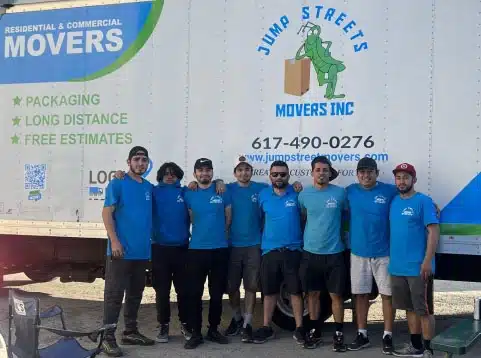
Reviews are your best read on what the day actually feels like. Look for recent, specific reviews that mention the crew’s care, punctuality, and how the company handled any problems. One bad review is not disqualifying. A pattern is. You can see what Jump Streets customers say on the reviews page.
Watch for the red flags
Most moving horror stories trace back to one of these signals. Any single one is a reason to slow down.
- A large deposit demanded before the move, especially in cash
- No written estimate, or a quote that seems far below everyone else
- A crew that answers the phone with a generic greeting rather than the company name
- No verifiable license number, physical address, or local reviews
- Pressure to sign fast
The questions to ask before you book
Keep it simple. A good mover will welcome these:
- What is your DPU license number, and are you insured?
- Is my estimate written and based on seeing my home?
- What is your hourly rate, crew size, and minimum?
- How do you charge for stairs, travel time, and packing?
- What coverage applies if something is damaged?
Ready to move in Greater Boston?
If you want a straight answer without the guesswork, request a free quote and we will walk you through a written estimate for your local move. No pressure, no vague numbers.

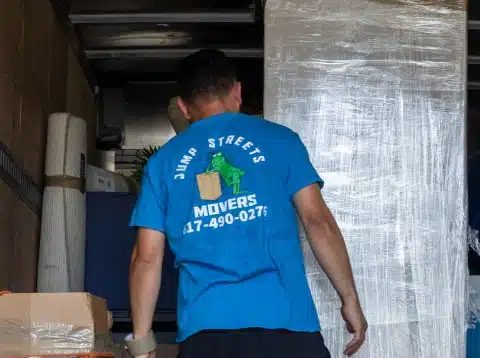
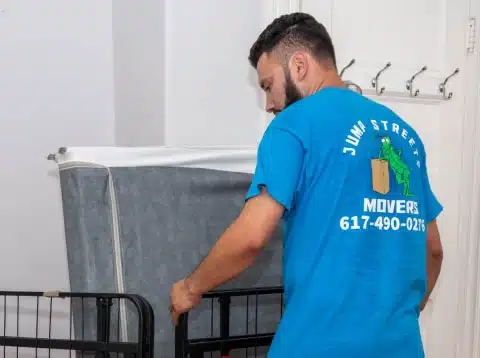
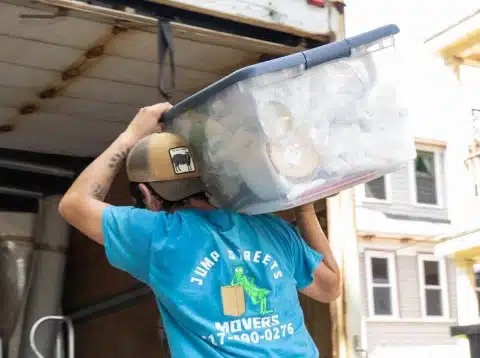
Professional moving crew loading boxes safely in Greater Boston
Frequently asked questions
How do I know if a Boston moving company is licensed?
Ask for its Massachusetts DPU certificate number and confirm the company displays it in its advertising, which state law requires. If your move crosses state lines, use the FMCSA SAFER database to confirm the mover’s USDOT authority is active and that its name and address match. An active license, active authority, and consistent details mean you are dealing with a legitimate company.
Are cheap movers a bad idea?
Not always, but a quote far below every other estimate is a common sign of hidden fees or an unlicensed operator. Compare what each estimate actually includes, not just the headline number.
How far in advance should I book movers in Greater Boston?
Aim for a few weeks ahead, and more during the busy late spring and summer window.
What does a local move usually cost in the Boston area?
Local moves are typically billed hourly based on crew size and the size of your home. See our local moving cost guide for how the pricing works.