

When you’re preparing for a move, whether it’s residential, commercial, local, or long-distance, staying organized can make all the difference. One crucial but often overlooked aspect is gathering the right moving documents ahead of time. These papers and digital files ensure a smooth transition, protect your rights, and help you avoid last-minute stress. From leases and contracts to receipts and change-of-address forms, having an essential moving documentation checklist can save you from unnecessary delays, extra costs, or legal headaches. Let movers MA break down exactly what you need, how to store it, and why these documents matter for different types of moves.
Why Are Moving Documents So Important?
Whether you’re relocating down the block or across the country, documentation plays a major role in managing logistics, finances, and potential disputes. It serves as proof of service agreements, payments, and terms that affect your move. For businesses moving offices or homeowners switching states, proper relocation documents can even impact taxes or insurance coverage.
What Kind of Moves Does This Apply To?
Any types of moves, but here’s the common list:
- Residential moves (local and long distance): Lease agreements, moving company estimates, ID updates
- Interstate or cross-country moves: Permits, vehicle transport records, state-specific forms
- Commercial relocations: Business licenses, insurance updates, IT inventory forms
Key Categories of Essential Moving Documentation
The paperwork you need will vary depending on the type of move, but here’s a detailed list of relocation docs that most people should prepare and keep accessible.
Must-Have Moving Documents
Here’s a list of the most important documents to collect before, during, and shortly after your move. It includes physical papers and digital backups you should have stored on a secure device or cloud platform:
- Signed lease or mortgage documents
- Moving company estimate and signed contract
- Bill of lading and inventory list
- Copies of payment receipts for deposits and services
- Insurance policies (home, renter’s, moving company liability)
- Photo ID and Social Security card
- Change-of-address confirmation (USPS or local authority)
- Utility setup confirmations (electric, water, gas, internet)
- Vehicle registration and updated driver’s license (for interstate moves)
- Employment transfer or offer letter (if job-related relocation)
- Medical and school records (for family moves)
- Business licenses and permits (for commercial moves)
Each of these moving documents serves a specific purpose, from proving payment to confirming legal occupancy. Storing them in a single, labeled folder or scanning them into a cloud-based storage app can make retrieval much easier on moving day.

Residential Moves: Local and Long Distance
For residential moves, the most common relocation documents include a signed lease or closing paperwork for your new home, proof of insurance, and a detailed moving estimate from your moving company. You’ll also want your utility confirmations in hand, especially if you’re moving to a location where services aren’t transferred automatically.
If you’re moving long distance, keep your bill of lading and inventory list with you during the move. This is your proof of what items are being transported and what condition they’re in. Should anything go missing or arrive damaged, these documents become vital for filing a claim. If you are not sure about this, ask your long distance movers in Massachusetts to provide you with the accurate info.
Commercial Relocation: Don’t Skip the Paper Trail
Commercial moving in Massachusetts (and any other location) brings extra complexity. In addition to contracts and vendor agreements, companies should maintain updated business licenses, IT relocation checklists, and insurance updates. Make sure your essential moving documentation also includes proof of compliance with building or zoning codes if you’re moving into a new commercial space.
What Happens If You Lose Key Documents?
If something goes missing, it can delay the move or expose you to risk. For example, not having your bill of lading might result in confusion over the number of items delivered, while losing proof of insurance could mean paying out-of-pocket for damage.
To reduce these risks, scan all your moving documents and store them digitally using apps like Google Drive, Dropbox, or Evernote. You can even use a document scanner app on your phone to keep digital versions with you at all times.
Do You Need to Update Documents After You Move?
Yes—some documents need immediate attention once you’ve relocated. These include updating your driver’s license, vehicle registration, and voter registration (especially for interstate moves). In some cases, your insurance company may require a new address to maintain valid moving coverage. Don’t forget to notify your bank, credit card providers, and health insurance company to avoid service issues.
Questions You Might Have
Q: What’s the most commonly forgotten moving document?
A: People often forget their utility confirmations and assume services will just be available at their new home. Always save the emails or print the confirmations to prove you scheduled transfers or activations.
Q: How early should I start organizing these documents?
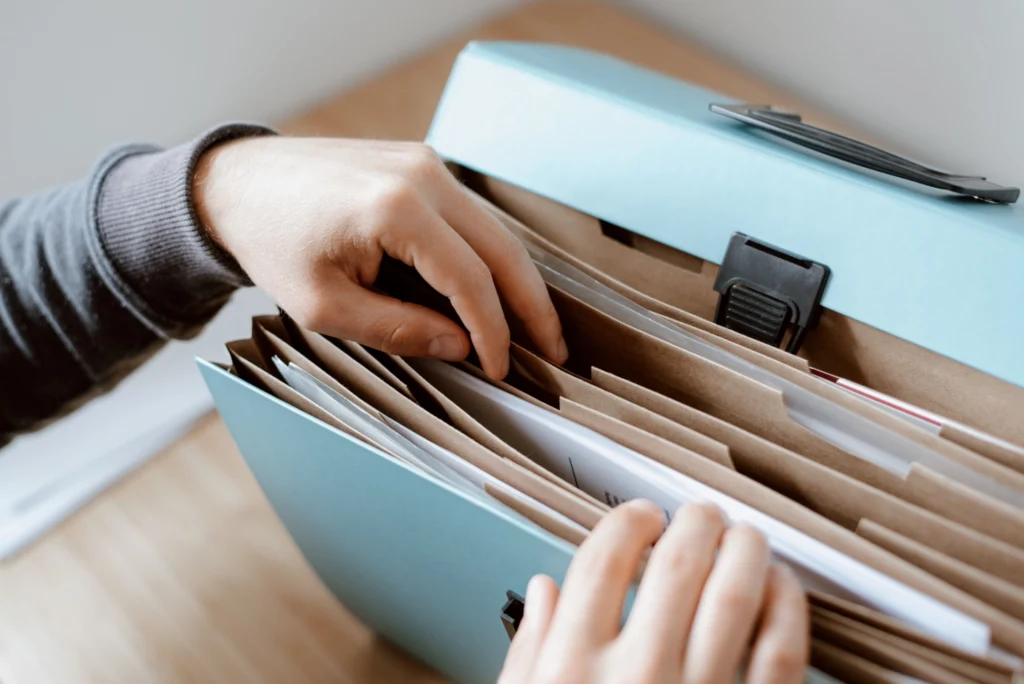
A: Start collecting your relocation documents as soon as you schedule your move. Ideally, keep everything in one place—a binder, file box, or digital folder labeled “Moving.” This gives you enough time to request copies if anything is missing or delayed.
Q: Can you reuse the same documents for every move?
A: Some yes—like your ID and Social Security card—but many are move-specific. Your lease, utility setup forms, and moving company contracts will change with each relocation.
Q: How do I keep documents safe during the move?
A: Keep a “moving essentials” bag or folder with you at all times. Do not pack this with regular boxes. Include physical copies and a USB or drive with all scanned documents.
Conclusion: Moving Documents Keep Your Relocation on Track
No matter the distance or complexity, gathering and managing your moving documents early on ensures a more secure and efficient relocation. From lease agreements to insurance confirmations, this paperwork protects your finances, your possessions, and your peace of mind. Whether you’re dealing with a residential, commercial, or interstate move, treating your essential moving documentation like a priority will help everything run more smoothly.
Having a clear list of relocation docs keeps you one step ahead—ready for any inspection, delivery, or service appointment without the last-minute scramble. So, don’t wait until moving day. Start preparing your moving documents now and set your relocation up for success.