

Art has a way of capturing more than just colors on a canvas—it holds stories, emotions, and sometimes even a piece of history. But what happens when you need to take your favorite pieces off the wall? Whether you’re moving to a new home, rotating your collection, or simply running out of display space, knowing how to store artwork safely becomes just as important as showcasing it. The truth is, art is fragile. A humid basement, careless wrapping, or even a little sunlight in the wrong place can undo years of preservation in no time. That’s why smart strategies for storing art pieces aren’t optional. They’re essential. Wonder how to store your art pieces without a scratch? Movers MA have prepared a practical guide that will save you time, money, and nerves.
Preparing Artwork for Storage
First and foremost, clean before storing. Use a soft, dry microfiber cloth to gently dust frames and glass. Avoid using sprays or chemical cleaners directly on artwork, as moisture can seep in and harm the piece. For older or high-value works, consult a professional conservator before cleaning. Take your time when removing art from the wall. Hold the piece firmly with both hands and avoid touching the canvas or print directly. Even clean hands can leave oils behind that deteriorate surfaces over time.

Pay special attention to how you remove your pictures from the wall and how you place them once again.
Choose Protective Wrapping
Avoid wrapping art in plastic bags, as they trap moisture. Instead:
- Use glassine paper (a smooth, acid-free paper) to protect surfaces from dust and smudges.
- For framed art with glass, add cardboard corners to shield edges.
- For unframed canvases, place protective boards on both sides before securing with tape.
However, the best way to pack your artwork securely is to hire professional packing services and get the right packing supplies tailored to your artwork.
The Best Environment for Storing Art Pieces
The environment you choose is just as important as the wrapping. Art is highly sensitive to climate, so a little attention to detail will go a long way.
Control Temperature and Humidity
Extreme fluctuations in temperature and humidity are the number one enemies of stored art. Aim for a climate-controlled storage units in Chelsea, for example, with:
- Temperature: between 65–75°F (18–24°C).
- Humidity: around 40–55%.
Too much moisture can cause mold growth, while overly dry conditions may make paint or paper brittle. By the way, avoid direct light. Even in storage, keep artwork away from direct sunlight. UV rays fade pigments and weaken paper over time. Store artwork pieces in a dark or dimly lit space whenever possible.
Don’t just use regular storage. Use a climate-controlled one.
Organizing Artwork in Storage
Once your art is prepared and your storage environment is ready, organization becomes the next priority. Poor stacking or leaning can cause warping, scratches, or worse.
Vertical vs. Horizontal Storage
- Vertical storage: Ideal for framed pieces. Place them upright, like books on a shelf, separated with padding between each.
- Horizontal storage: Better for unframed canvases or prints. Lay them flat in a sturdy portfolio or storage drawer, using acid-free paper between layers.
Give each piece breathing room. Stacking artwork tightly together can lead to pressure marks, scratches, and difficulty removing items later. Clearly label wrapped artwork with the artist’s name, title, and orientation (top/bottom). This reduces handling since you won’t need to unwrap pieces unnecessarily when searching for something. However, the best way to organize a storage unit is to hire professional local movers in Massachusetts to help you pack and organize it.
Special Considerations for Different Types of Artwork
Not all art is the same, and each medium requires slightly different storage methods.
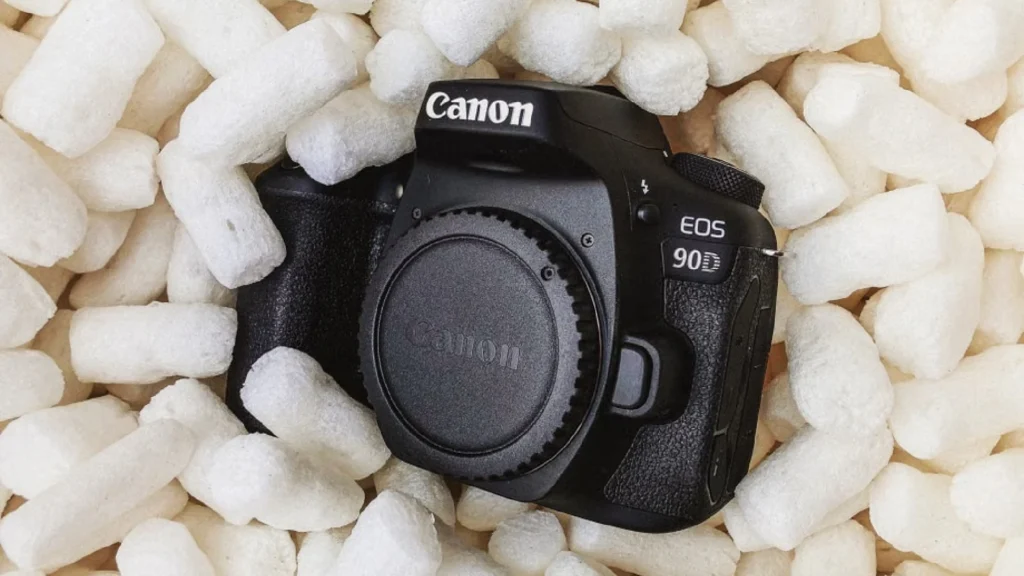
Packing peanuts always come in handy.
Where to Store Artwork? Short-Term vs. Long-Term Storage
How long you plan to keep your artwork in storage also affects your approach.
- Short-term storage: If you’re moving or redecorating a room, focus on protective wrapping and stable stacking. You’ll likely handle the pieces again soon, so accessibility is important.
- Long-term storage: Invest in archival-quality supplies and consider renting a climate-controlled storage unit. Regularly check the condition of your stored items every few months.
Tips for Safe Handling
Even when stored correctly, accidents can happen during handling. Keep these tips in mind when you store artwork:
- Always lift artwork with two hands, supporting the frame from underneath.
- Avoid leaning large canvases against walls for long periods—they may warp.
- Don’t stack heavy items on top of delicate art pieces.
Store Artwork Safely: From Canvases to Sculptures
Your artwork isn’t just decoration—it’s a memory, an investment, and a masterpiece that deserves better than being stacked in a damp corner or wrapped in old newspaper. If you’ve read this far, you already know how critical it is to store artwork properly. The question is—are you ready to put those tips into action? Start with small steps: wrap your pieces carefully, find a safe spot, or consider a climate-controlled unit for long-term care. Don’t wait until your favorite painting warps or fades. Protect your collection today, because great art deserves a future as bright as its past. Contact us and schedule the best moving & storage services in Massachusetts.