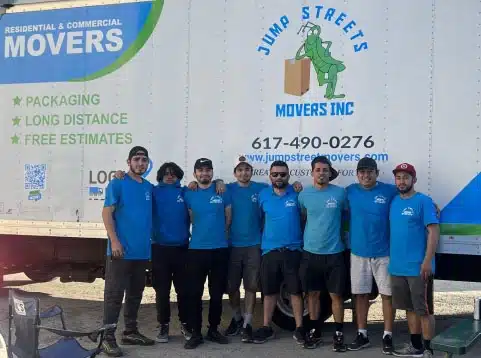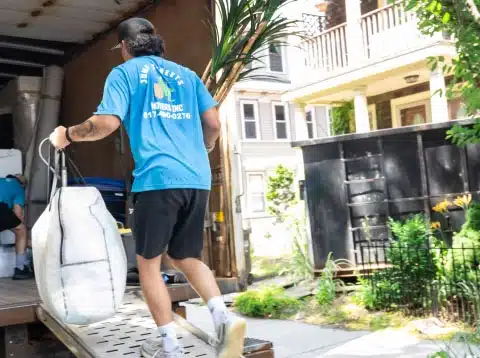


Returning home after deployment is supposed to feel like relief, yet for many veterans and their families, it comes with unexpected challenges. The process of moving after deployment is not just about unpacking boxes and finding a new home. It’s about rebuilding stability in a life that has changed in subtle and profound ways. Between emotional readjustment, physical relocation, and the pressure to reconnect with civilian life, the transition can take a real mental toll. And to avoid the pressure a little bit, at least when it comes to relocation tasks, rely on Jump Streets Movers, one of the finest moving companies in Massachusetts, and our military moving services.
The Emotional Shock of Returning to Civilian Life
For those who have served overseas, returning to civilian life often brings emotional shock. During deployment, life follows a strict structure; every day has purpose and rhythm. Coming home means suddenly losing that order. The routines, camaraderie, and sense of mission that once provided stability are gone. Relocation after deployment adds another layer of stress. Instead of returning to a familiar environment, many service members find themselves in a new city or neighborhood, surrounded by people who cannot fully relate to their experiences. However, relocation reshapes friendships and family relationships, so use it to the fullest.

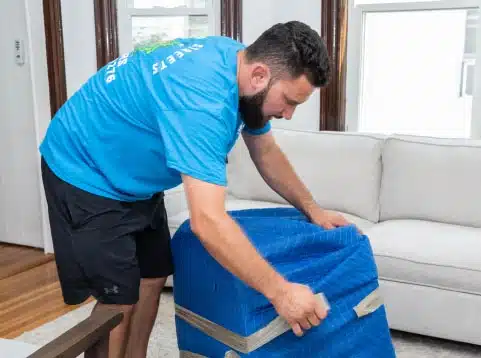
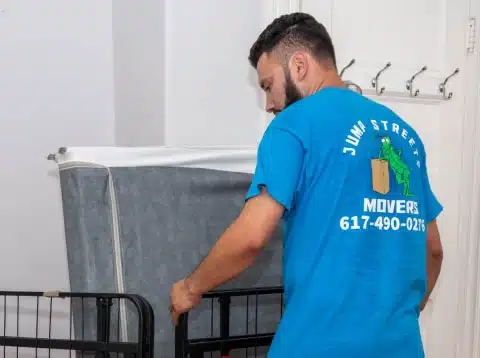
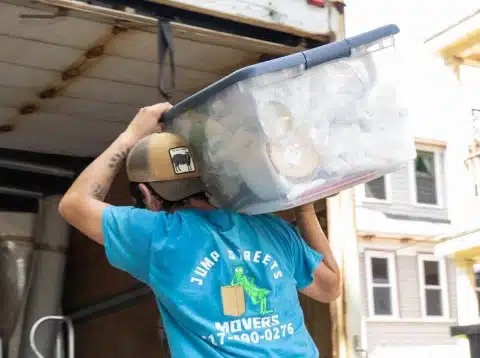
Moving after deployment is challenging enough. So leave the packing tasks to professionals.
Recognize and Accept The Emotional Toll When Moving After Deployment
Having mixed feelings when moving after deployment is perfectly fine. The first step is to accept that all feelings are okay. You can experience emotional disorientation, which can lead to feelings of isolation, restlessness, or even guilt. Some veterans struggle to engage in everyday conversations, while others feel disconnected from their families and friends. For spouses and children, reintegration can also be difficult. The person who left for deployment may not be the same person who returns home. However, this emotional shock is not a weakness. It’s the mind’s natural response to change and uncertainty.
Handling Stress and Mental Fatigue
Handling this stress begins with acknowledging that adjustment takes time. Setting small daily goals helps restore focus and control. Maintaining a consistent sleep schedule, eating balanced meals, and incorporating physical activity, like walking or working out, can ease mental exhaustion. For some, professional counseling or group therapy with other veterans provides a safe outlet to share experiences and rebuild resilience.
Support systems matter, too. Friends, family, and community organizations can play an essential role. They can help veterans and their families organize tasks, navigate moving paperwork, or simply listen without judgment.
Rebuilding a Routine
One of the hardest parts of moving after deployment is the loss of structure. During service, every task and responsibility follows a defined schedule. Civilian life, in contrast, demands self-organization. Creating a new daily rhythm can reduce stress and bring a sense of normalcy.
Start with simple, predictable habits—wake up and go to bed at consistent times, eat meals regularly, and dedicate specific hours to work or study. Scheduling personal time for hobbies or exercise can help reintroduce balance. For families, establishing shared routines like weekly dinners or outdoor activities creates opportunities to reconnect and strengthen relationships.

Creating a daily routine helps you get back on track.
The Social Adjustment of Relocating After Deployment
Another layer of the emotional toll comes from social adjustment. Relocating after deployment often means leaving a support network built during service. In a new community, it can be hard to find people who understand military life or share similar experiences. This lack of connection can contribute to feelings of loneliness or frustration.
Building new relationships takes patience. Joining local veteran groups, volunteer organizations, or hobby clubs can help bridge the gap. Many communities host veteran resource centers or social events specifically designed to connect former service members.
Financial and Logistical Strain
While emotional recovery takes center stage, financial and logistical concerns cannot be ignored. Moving after deployment often comes with costs: securing housing, transportation, and new supplies. If the move coincides with a career transition, income uncertainty can add stress.
Planning ahead is key. Creating a detailed budget before the move helps prevent unexpected expenses from compounding emotional strain. Veterans should explore benefits and assistance programs available through the Department of Veterans Affairs, nonprofit organizations, or local governments. Some programs provide relocation grants, temporary housing support, or counseling services to ease this period of adjustment. Lastly, hiring affordable military moving companies can reduce moving costs significantly.
Finding Purpose After Deployment
Moving after deployment can serve as an opportunity to redefine that purpose. Whether through education, new careers, community service, or entrepreneurship, finding meaningful engagement helps shift focus from the past to the future.
Some veterans channel their discipline and leadership skills into business ownership or public service. Others find purpose in mentoring younger service members or volunteering for local causes. Every positive action, no matter how small, contributes to rebuilding identity and confidence in civilian life.

Use deployment as an opportunity to start a calmer chapter in your life.
Moving After Deployment = Moving Toward Stability
In the end, moving after deployment is much more than a physical act. It’s an emotional journey that tests patience, resilience, and self-awareness. The transition from structured service life to civilian independence brings challenges that are both visible and invisible. But with strong support, practical planning, and a focus on rebuilding routines, it becomes possible to turn that transition into a new beginning. For every veteran and family making this shift, the goal is not to erase the past but to carry its lessons into the future. The process of relocating after deployment may be demanding, but it opens the door to healing, growth, and a renewed sense of belonging in civilian life.