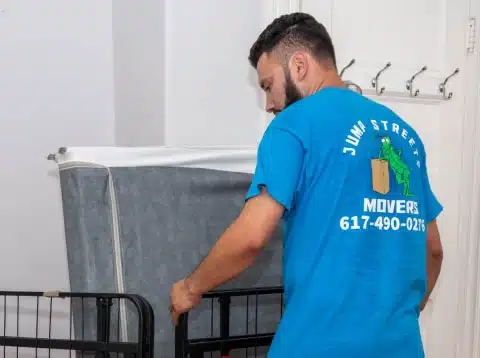


Moving a piano in Boston isn’t just another task on your moving checklist; it’s a specialized process that requires the right knowledge, equipment, and, yes, planning. Whether you’re shifting your grand piano to a new apartment in Back Bay, helping your child move a keyboard into their dorm at Berklee, or coordinating a commercial piano move for a venue downtown, these tips cover everything you need to know to conduct a piano move safely and smoothly. And most importantly, Jump Streets Movers are at your disposal for any of the moving services related to your piano you may need.
How Do You Prepare for Moving a Piano Locally in Boston?
The first step in moving a piano locally in Boston is understanding the urban terrain and the tight spaces common in the city. Many homes and apartments in neighborhoods like Beacon Hill and the North End have narrow staircases, limited parking, and tight hallways. That means you’ll need a professional team of local movers in Massachusetts familiar with the area’s unique challenges. Choose movers who specialize in piano relocation and have the right equipment, like skid boards, heavy-duty straps, and padding to protect both your instrument and your home.

Relocating a piano is a challenging endeavor, but it is completely manageable when having the right movers by your side
What Should You Know About Long-Distance Piano Relocation?
When it comes to long-distance piano relocation, timing, climate, and vehicle safety matter the most. Long trips expose pianos to temperature fluctuations and vibrations that can affect tuning and even internal mechanics. That’s why proper wrapping and crating are essential, especially if you’re moving from Boston to a warmer climate or vice versa. Trusted long distance movers in Massachusetts will offer climate-controlled transport and include a tuning voucher to help you adjust your instrument post-move.
What Do College Students Need to Know About Moving a Piano?
Moving a piano as a college student is more common than you think, especially with schools like Boston University, Berklee College of Music, and New England Conservatory around. Most student piano moves involve compact uprights or keyboards, but they still require care. Dormitories and student housing often lack elevators, so plan ahead with the building’s management. Some colleges offer storage services or may allow early move-ins if you’re bringing a piano—always check before the move date. And most importantly, when using student moving services, inform your movers about any peculiarities of your valuable instrument.
The Ultimate Protection List for Your Piano Move
Protecting your piano during a move is all about using the right materials. Here’s a comprehensive list of wrapping supplies to ensure your piano stays safe and sound, whether you’re relocating locally in Boston or going long-distance:
- Thick moving blankets
- Stretch wrap
- Heavy-duty moving pads
- Corner protectors
- Furniture straps or ratchet straps
- Bubble wrap
- Keyboard cover or soft cloth
- Packing tape (non-residue)
- Foam sheets or foam rolls
- Shrink wrap (industrial-strength)
- Moving gloves (non-slip)
What’s the Best Way to Store a Piano During a Move?
If you need to store your piano short-term or long-term, choose a facility with climate control. Pianos are sensitive to humidity and temperature, and Boston’s weather can fluctuate wildly, especially in winter. Always wrap the piano in breathable covers and keep it off the ground using pallets or pads. Professional piano relocation companies in Boston often provide specialized storage units in Chelsea MA or Massachusetts, designed to accommodate musical instruments, so don’t hesitate to ask.

Your piano deserves the best when being stored, so choose professional storage.
Relocating a Piano as a Senior: What to Consider
For seniors, relocating a piano often involves downsizing or moving into a retirement community. In these cases, sentimental value is usually tied to the instrument, making the move even more delicate. Hire movers who offer senior moving services—they’ll take extra time, provide reassurance, and communicate clearly throughout the process. Also, ask if the movers can assist with placing the piano in a central, accessible area in your new home to maintain your playing routine.
How Do You Choose the Right Movers in Boston for a Piano Move?
Look for companies that specialize in piano relocation and have positive reviews from other Boston-area customers. Ask if they’ve worked in your neighborhood, and make sure they’re familiar with city parking rules, permits, and building access requirements. A good piano mover should also be licensed, insured, and willing to provide references. Don’t hesitate to ask how many pianos they’ve moved recently or what training their team receives.
Can Moving a Piano Affect Its Sound or Tuning?
Yes, after moving a piano, it’s common for the tuning to be slightly off due to changes in temperature, humidity, and movement. Let your piano sit in its new environment for at least two weeks before calling a technician to retune it. This waiting period allows the wood and strings to adjust. If you’re relocating during Boston’s humid summer or freezing winter, tuning might be more noticeably affected.
What If Your Piano Is Damaged During the Move?
Make sure your mover’s insurance policy covers high-value items like pianos. Take photos before and after the move, and inspect the instrument as soon as it’s delivered. If any damage occurs, report it immediately. Professional piano relocation services typically include valuation coverage, and many offer add-on insurance for rare or antique models. However, always check on the insurance options with your movers. In the end, the best movers will have a clear claims process and customer service team ready to help.

Remember, moving coverage is not the same as moving insurance, so consult with your movers about all options available when moving a piano.
Why Is Moving a Piano in Boston So Different From Other Cities?
Boston’s dense layout, historical architecture, and unpredictable weather make moving a piano here a unique challenge. Unlike newer cities with wide hallways and big elevators, Boston homes often feature tight stairwells, steep inclines, and awkward entryways. That’s why using a mover familiar with the area—someone who knows how to handle snowstorms, Red Sox traffic, and tiny Beacon Hill sidewalks—is so important.
Can You Move a Piano During Winter in Boston?
You can, but it’s riskier. Cold weather affects the wood and tuning stability of the piano. Ice and snow also make the move more dangerous. If you must move in winter, choose piano movers in Massachusetts who use padded blankets and shrink wrap to protect the piano from the cold, and verify they have experience navigating snowy walkways. Many Boston piano move companies are active year-round, but it’s always safer to plan for spring or fall.

Moving a piano in winter requires additional protection steps.
How to Load a Piano on a Moving Truck
Loading a piano onto a moving truck requires more than strength. Above all, it demands planning, the right equipment, and an understanding of how different pianos are built. While all pianos are heavy and delicate, each type presents unique challenges. Therefore, knowing what you are dealing with is the first step toward a safe move.
- Upright pianos are heavy and tall, so first secure the keyboard lid and wrap the entire body with thick moving blankets. Next, use a furniture dolly and keep the piano upright at all times. Then, roll it slowly into the truck and position it against a solid wall. Finally, strap it tightly so it cannot shift during transit.
- Console and spinet pianos are smaller; however, they still require careful handling. Therefore, pad all sides generously, especially the corners and pedals. After that, tilt the piano slightly to place it on a dolly while someone stabilizes the top. Once inside the truck, secure it firmly and add extra cushioning between the piano and the wall.
- Baby grand pianos demand a different strategy. To begin with, remove the music stand, lid, and legs in the correct order. Then, wrap each part separately and attach the piano body to a skid board. Meanwhile, guide it slowly up the ramp and place it on its side, never flat. Afterward, strap it securely.
- Grand pianos are the most complex and risky to load. Consequently, professional-grade equipment and multiple helpers are essential. First, disassemble the piano carefully and protect every surface. Next, secure it to a skidboard and move it steadily into the truck. Finally, surround it with padding and lock it in place to prevent any movement during transport.
Unloading follows the same rules as loading, so move the piano slowly and keep it secured on a dolly or skid board at all times. Most importantly, communicate clearly and reverse the loading steps carefully to avoid sudden shifts, damage, or injury while unloading a moving truck after the move.
Final Thoughts on Moving a Piano in Boston
Relocating a piano in Boston is a task that demands more than just a strong back—it requires knowledge, planning, and a deep respect for the instrument. Whether you’re a student starting college, a senior downsizing, or a professional moving your instrument long-distance or for business, working with experts will ensure your piano makes the trip safely. From local transitions to full-scale piano relocation, the right team will treat your piano as more than furniture—it’s a part of your life and deserves professional care.
Now that you’ve read these top-rated tips for moving a piano, you’re equipped to make the best decisions for your specific move. Don’t rush the process. Boston is a city full of character, and your piano deserves a smooth, stress-free transition within it.