

A house gives you more space and more control. It also adds more decisions. Moving from an apartment to a house changes how you plan, pack, and settle in. You deal with new rooms, new systems, and new costs. The good news is simple. A clear plan turns a big move into a series of small steps. Our MA movers will lead you every step of the way.
Planning for Moving From an Apartment to a House
Start with a plan that matches the way houses work. Apartments often limit choices. A house gives you options, so you need rules to avoid chaos. Set priorities early, then follow them through the move.

Planning in detail makes a difference.
Build a Timeline That Fits Your Key Dates
List your hard deadlines first. These include lease end dates, closing dates, and key pickup times. Add your flexible tasks next. This includes decluttering, packing, and service setup. Give yourself buffer days for surprises. Closing delays happen. Elevator bookings fail. Weather changes plans. A two-day buffer protects your schedule and your budget.
Budget for House-Specific Costs
A house move brings different expenses than an apartment move. Some costs show up before you move. Others appear in the first month. Plan for them now.
Common one-time costs include:
- Utility deposits or activation fees
- Cleaning supplies, trash bags, and bins
- Basic tools and hardware
- Locks, spare keys, and door mats
- Lawn gear, hoses, or storage shelves
Monthly costs can rise, too. A larger space can increase heating, cooling, and water use. Trash service may work differently. The Internet might require a new install. Track these in a simple sheet so you can compare your old budget to your new one.
Measure Your New Space Like a Mover
Do not guess. Measure doors, stairs, and hallways. Measure room widths and key wall lengths. Take photos of tight corners and sharp turns. Houses often have tricky spots like narrow staircases, angled landings, or low basement ceilings. These details decide whether a sofa fits, whether a dresser reaches the second floor, and where you place heavy items. However, you can always count on local movers in Massachusetts to help you measure the space and inventory your items.
Decide What You Buy Now and What Can Wait
A bigger home can trigger impulse buying. Try to resist that pressure. Live in the space for a few weeks. You will learn what you need and where you need it. Start with basics that improve function, not looks. A curtain rod, a step stool, and a few shelves can solve more problems than a new dining set.
Sorting and Downsizing Before You Pack
Many people think they need more stuff when moving from an apartment to a house. The opposite often works better. Moving more items costs more money and time. You also risk filling storage areas with clutter on day one.

Even if you are moving from an apartment to a house, don’t overpack.
Use a Room-To-Room Mapping Method
Create a simple map with each room name and a few bullet notes. Assign your current items to a destination room. If you cannot pick a destination, question the item. This step forces honest decisions. It also helps movers place boxes correctly.
Declutter Using a Fast, Repeatable System
Pick a method you can repeat without thinking. Try this approach:
- Keep items you use weekly.
- Store items you use seasonally.
- Donate items you have not used in a year.
- Sell items with real resale value.
- Recycle or discard broken items.
Set a timer for each category. Speed helps you avoid overthinking. Save sentimental sorting for a separate day. Keep that session short so it does not stall progress.
Handle “Maybe” Items With a Quarantine Box
Create one box labeled “Decide later.” Limit it to one box per room. If you fill it, you must remove something before you add more. This prevents endless “maybe” piles. It also keeps the move moving.
Plan for Storage Areas the Right Way
Garages, basements, and attics can become dumping grounds. Avoid that trap. Decide how you want to use those areas. Do you want a workshop, sports storage, or holiday storage to store your Christmas decorations? Match your packing labels to those goals. Label boxes with a purpose, not only a room. For example, “Garage: holiday decor” works better than “Garage: misc.”
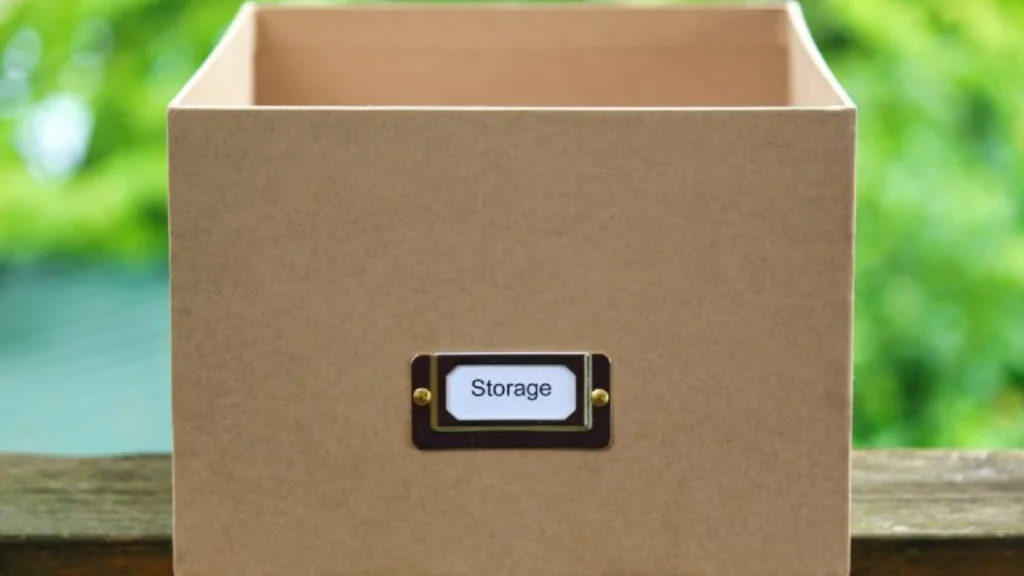
Use storage space wisely.
Packing Systems That Work for Moving From an Apartment to a House
Packing for a house takes more structure. You will deal with more rooms, more categories, and more “where does this go?” moments. A good packing system when relocating from an apartment to a house answers that question before moving day.
Label for Speed, Not Perfection
Write the destination room in large letters. Add two more pieces of information:
- Category (kitchenware, books, linens)
- Priority (open first, open later)
Use the same format on every box. Consistency matters more than fancy labels. Color tape can help, yet a plain marker works if you stay consistent.
Pack One “Open First” Kit per Core Room
You will not unpack everything in one day. Plan for that reality. Pack an “open first” box when packing for the kitchen, bathroom, and bedroom.
A kitchen box can include:
- One pan, one pot, and one cutting board
- Plates, cups, and basic utensils
- Dish soap, sponge, and trash bags
- Coffee or tea supplies
A bathroom box can include:
- Toilet paper, hand soap, towels
- Shower curtain and liner
- Basic toiletries and medicine
A bedroom box can include:
- Sheets, pillows, comforter
- Phone chargers
- A small lamp or night light
These boxes reduce day-one friction. They also lower the urge to rip open random boxes.
Protect Large Furniture With the Right Materials
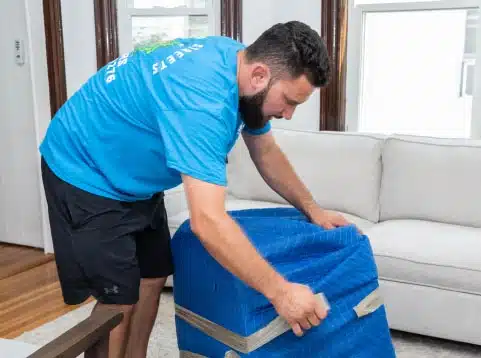
Houses often have more walls, corners, and stairs to bump. Moving modular furniture is easy, but other pieces must be disassembled. Use moving blankets for wood furniture and straps for heavy pieces. Wrap legs and corners. Remove glass shelves and pack them separately. Tape drawers shut or remove drawers and pack them inside the piece with padding.
If you have a sectional, label each section and bag the hardware. If you have a bed frame, tape bolts, and tools in a bag to one large piece. That simple step saves an hour later.

Be careful when heavy lifting and avoid injuries.
Pack Electronics With Photos and Simple Notes
Take a photo of each cable setup before you unplug it. Place cords in labeled bags. Add one note card that says what it connects to. Houses often change your layout, so you may not rebuild the same setup. Clear labels help you adjust without frustration.
Watch Out for Weight Creep
People pack heavier when they have more boxes. That leads to broken items and sore backs. Keep boxes at a liftable weight. Books need small boxes. Linens can go into large boxes. When in doubt, test-lift every box. If it feels too heavy, split it.
Managing Logistics on Moving Day
Apartment moves often involve elevators, tight hallways, and strict schedules. House moves bring different challenges. You may face driveways, stairs, uneven paths, and long carry distances.
Plan Parking and Loading in Advance
If your apartment had a loading dock, you may miss it. A house may have street parking only. Check if you need a permit for a moving truck. Plan where the truck will park and how far movers will carry items. A longer carry adds time and cost. Clear the driveway and reserve curb space if your city allows it.
Protect Floors and Entryways
Houses have more surfaces to damage. Protect them early. Use floor runners or cardboard in high-traffic paths. Remove rugs that can slip. Prop doors open with wedges. Cover tight corners on staircases. If you have new flooring, keep shoe covers ready and limit muddy trips inside.
Keep Essentials With You
Do not place critical items on the truck. Carry them in your personal bag or car:
- IDs, lease or closing papers, and keys
- Medication and basic first aid
- Chargers, wallet, and a spare outfit
- Pet supplies and snacks
- A small tool kit and scissors
This choice removes a major risk. If the truck arrives late, you still function.
Do a Final Apartment Walkthrough With a Checklist
Apartments can charge fees for small issues. Check every closet, cabinet, and drawer. Look behind doors. Remove hooks and nails if your lease requires it. Take photos after you clean. Record the condition, the meter readings, and any existing marks. That record helps if disputes come up later.

Do a final walkthrough.
Setting up the House in the First Week
The first week shapes your long-term comfort. Focus on function first, then comfort, then style.
Start with Safety and Control Points
Find and label your shutoff valves and breakers. Learn wh
ere the main water shutoff sits. Test smoke and carbon monoxide detectors. Replace batteries if needed. Change exterior locks or rekey them. This step offers peace of mind on day one.
If you have a garage door opener, reset codes and remotes. If you have smart locks, update access codes and remove old users. Keep a spare key in a safe, planned place.
Set up Utilities and Services in a Logical Order
Internet often takes the longest, so schedule it early. Power and water should start before move-in day if possible. Trash service sometimes requires an account setup, so call ahead.
Create one page with account numbers, phone numbers, and install dates. This prevents repeated calls and missed appointments. It also helps if you need to troubleshoot billing.
Create “Landing Zones” to Prevent Clutter
A house invites piles. Stop them before they start. Pick a drop spot near the entry for shoes, keys, bags, and mail. Place a small bin for recycling and a tray for papers that need action. This one habit keeps your home from feeling messy while you unpack.
Unpack in a Smart Order
Do not start with decor. Start with the rooms that affect daily life:
- Bedrooms
- Bathrooms
- Kitchen
- Laundry area
- Living room
- Storage areas
This order supports sleep, hygiene, and meals. Those basics keep energy steady during a long unpack.
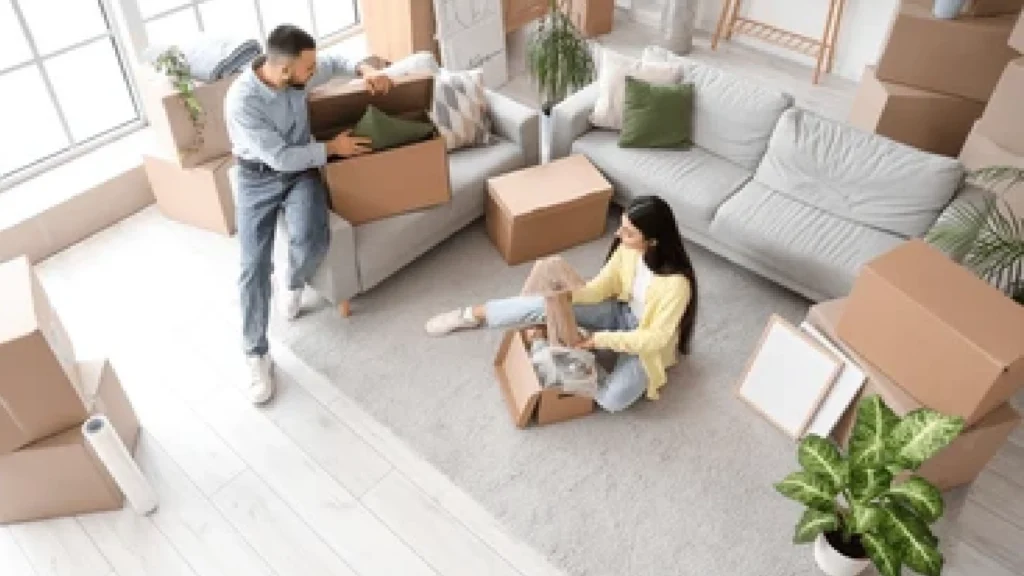
Take time to unpack but don’t prolong.
Common Challenges and the Best Fixes
Most house moves follow the same pattern. People feel excited, then overwhelmed, then tired. The fixes focus on reducing decisions and handling surprises fast.
Challenge: You Underestimate How Much You Own
This happens often with apartment living. Closets hide items, and storage areas collect extras. The fix starts before you pack. Make an inventory list by room and category. Count boxes as you pack. If the number grows fast, pause and declutter again.
Challenge: You Buy Furniture Too Soon
A house can make your current furniture look small. That feeling can push rushed purchases. The fix is patience plus measuring. Use painter’s tape to map furniture footprints on the floor. Live with that layout for a week. Then buy items that solve real needs.
Challenge: The House Has Surprise Maintenance Issues
Even well-kept homes have small problems. You may find leaky faucets, loose handles, or sticky windows. Start a priority list:
- Safety issues first
- Water issues second
- Comfort issues third
- Cosmetic issues last
Buy a basic tool kit early. Include a flashlight, tape measure, screwdrivers, pliers, and a level. Add a few wall anchors and screws. These small items solve many first-week issues.
Challenge: Decision Fatigue Hits Hard
More rooms mean more choices. Paint, storage, layout, lighting, and yard care can pile up. The fix is a simple rule: one project per week. Keep a running list for later tasks. You do not need to solve every detail in the first month.
Challenge: Unpacking Stalls After the First Rush
People often unpack essentials after moving from an apartment to a house, then stop. Boxes sit for weeks. The fix is scheduling. Set two short unpack sessions per week. Pick one target area each session. Finish it fully, then stop. Small wins create momentum.
When to Hire Movers and When to DIY
Some moves work well with a DIY plan. Others demand professional help. A house move can involve heavy items, tight stairs, and long carries. That adds risk.
Hiring movers makes sense when:
- You have heavy furniture or large appliances
- You move up or down multiple flights of stairs
- You need a fast move-out and move-in day
- You want reduced injury risk and less downtime
DIY can work when:
- You have a small inventory
- You have strong help and a reliable truck
- You can spread the move across multiple days
- You have flexible timing and low stair exposure
If you hire movers when moving from an apartment to a house, ask direct questions, such as what type of packing services they use, whether they handle unloading, what if something goes wrong, etc. Ask about travel time charges, long carry fees, stair fees, and insurance coverage. Confirm arrival windows and cancellation terms. Get the details in writing.

Hire movers if you have bulky furniture.
First-Month Habits After Moving From an Apartment to a House
The first month after relocating from an apartment to a house sets your routines. A house rewards simple systems. Small habits keep maintenance manageable and help you enjoy the space.
Build a Light Maintenance Routine
Create a short weekly checklist after moving from an apartment to a house:
- Check trash and recycling schedule
- Wipe kitchen surfaces and sweep entry areas
- Look for leaks under sinks
- Replace HVAC filters on schedule
- Test smoke and CO alarms monthly
This list stays small for a reason. Consistency matters more than a perfect plan. Over time, you can add seasonal tasks like gutter checks and yard upkeep.
Organize Storage With Intention
Storage solves problems when moving from an apartment to a house only when it stays organized. Use clear bins for seasonal items. Label them by category and season. Place heavy bins on lower shelves. Keep a few empty bins for future items so you do not create new piles. However, if you don’t have enough space, you can always count on professional storage space, such as self storage in Chelsea MA.
Learn Your Neighborhood Fast
A house ties you to local services more than an apartment does. Find your closest hardware store, pharmacy, and urgent care. Learn your trash rules and local parking patterns. If you have an HOA, read the main HOA rules early so you avoid fines and headaches.
Set Boundaries for Projects
A house can turn into an endless project list. Protect your time. Choose one improvement goal per month. Keep the rest in a “later” list. This approach helps you settle without living in constant renovation mode.
Closing Thoughts
A house can feel like a big leap, yet the move becomes manageable with structure. Focus on planning, smart packing, and early safety steps. Give yourself time to learn the space before you fill it. Most problems have simple fixes when you catch them early. Moving from an apartment to a house works best when you treat it as a process, n