


Navigating the tax landscape in Massachusetts can be complex, but breaking it down into digestible sections can help demystify the process. Whether you’re a resident, a business owner, or someone considering a move to the Bay State with MA movers, understanding Massachusetts taxes is crucial.
MA Taxes to Consider
Overlooking taxes in Massachusetts can cost you a lot. So, before moving to Massachusetts, calculate the cost of living in MA and consider the following taxes, and plan your budget accordingly:
- Income taxes
- Property taxes
- Estate taxes
- Sales taxes if doing business in MA

MA Income Tax
Massachusetts employs a flat income tax rate of 5% for most earners. However, starting in 2023, an additional 4% surtax applies to income over $1 million, bringing the total rate for high earners to 9%.
- The personal exemption is $4,400 for single filers and $8,800 for those married filing jointly. Unlike federal taxes, Massachusetts does not have a standard deduction and uses these personal exemptions instead.
- Social Security benefits and most government pensions are exempt from state income tax, while most private pensions and retirement account withdrawals (like 401(k)s or IRAs) are generally taxable at the 5.0% flat rate.
- Short-term capital gains (assets held for one year or less) are currently taxed at a rate of 8.5% in Massachusetts, rather than the previous 12%.
These provisions aim to provide some relief to middle-income earners while ensuring that higher-income individuals contribute a fair share.
Property Taxes in Massachusetts
As of fiscal year 2025, Massachusetts homeowners face a median annual property tax bill of $5,584, with an average effective property tax rate of 1.12%, slightly above the national average of 1.15%. These rates vary significantly across the state due to the decentralized nature of property tax assessment. For instance, Hampden County has the highest effective rate at 1.62%, while Barnstable County, encompassing Cape Cod, has a lower rate of 0.76%.
The statewide average single-family tax bill stands at $7,732, with significant disparities among the 347 reporting communities. These variations are influenced by local tax rates, property values, and the application of Proposition 2½, which limits annual property tax levy increases to 2.5% plus new growth. In summary, while property taxes in Massachusetts are determined locally and can vary widely, they are subject to state laws designed to provide stability and predictability. Homeowners in communities with HOAs should be aware of additional assessments and the governing rules that apply to their properties.
Massachusetts Estate Taxes
Massachusetts imposes an estate tax on estates valued over $2 million. The tax is calculated based on the net value of the estate, and the rates can be as high as 16%. However, a new law amended the estate tax by providing a credit of up to $99,600, effectively eliminating the tax for estates valued at $2 million or less and reducing the tax for estates valued above that threshold, according to Mass.gov.
Sales Taxes in MA
The state sales tax rate in Massachusetts is 6.25%, applicable to most goods and services. Notably, Massachusetts taxes cannot be imposed by local municipalities, so this rate is uniform across the state. Exemptions Include:
- Most groceries and clothing items are under $175.
- Prescription medications and certain medical devices.
- Sales of certain services, such as healthcare and education.
So, if you are considering moving your business here, carefully study these Massachusetts taxes related to sales.
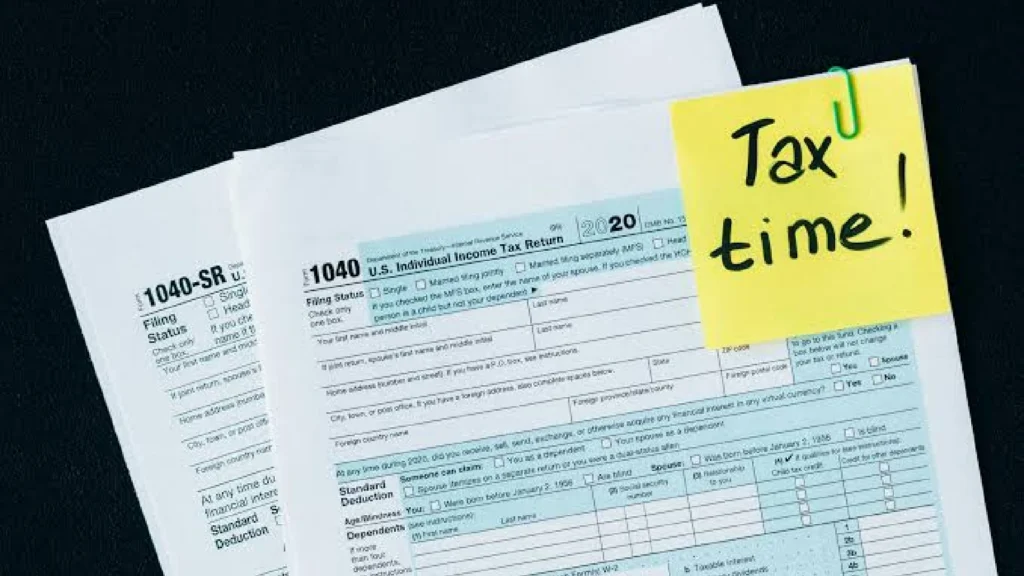
Failing to pay taxes on time in Massachusetts can result in penalties, interest, and enforcement actions.
Business Taxes in MA
Entrepreneurs in Massachusetts face several business tax obligations that are essential to plan for when starting or running a business. The corporate excise tax applies to C-corporations and is 8% of net income or 0.26% of tangible property value, whichever is higher.
Additionally, businesses must collect sales tax at 6.25% on taxable goods and certain services. Entrepreneurs should also budget for local property taxes, employer payroll taxes, and potential excise taxes to ensure compliance and maintain financial stability. And if you decide to relocate your business here, consider hiring office moving companies in Massachusetts to reduce moving expenses.
Massachusetts Taxes FAQs
1. Who Must File a Massachusetts Personal Income Tax Return?
Full-Year Residents: Must file if their gross income exceeds $8,000. Part-Year Residents: Must file if their gross income exceeds $8,000 during their period of residency. Nonresidents: Must file if their Massachusetts gross income exceeds $8,000 or the prorated personal exemption, whichever is less.
2. Are There Any Sales Tax Holidays?
Yes, Massachusetts typically holds an annual Sales Tax Holiday, during which most retail items priced up to $2,500 are exempt from sales tax.
3. What Is the 4% Surtax on Income?
As of tax year 2023, Massachusetts imposes an additional 4% surtax on taxable income over $1 million, with the threshold adjusted annually for inflation.
4. How Do I File and Pay My Taxes?
You can file and pay your Massachusetts personal income taxes online through MassTaxConnect, the Department of Revenue’s secure online portal.
How Much Salary Do You Need to Live Comfortably in Massachusetts?
To live comfortably in Massachusetts, particularly in the Boston area, a single individual would need to earn between $93,469 and $108,464 annually before taxes. This estimate covers essential living expenses, including housing, food, transportation, healthcare, and discretionary spending.

Planning Your Budget Including Massachusetts Taxes
Planning a budget for Massachusetts taxes requires a careful assessment of both predictable and variable expenses. Start by estimating your annual income and applying the state income tax, along with any federal and FICA obligations, to determine how much will be withheld. Factor in property taxes, which can vary by city or town, and account for any exemptions or credits you may qualify for, such as those for seniors or veterans.
If you own a home in a community with an HOA, include HOA fees as part of your monthly obligations. Don’t forget sales taxes on regular purchases, particularly for non-exempt items like electronics or dining out. By mapping out these obligations alongside rent or mortgage, utilities, transportation, healthcare, and discretionary spending, you can create a comprehensive budget that ensures you allocate enough for Massachusetts taxes while maintaining a comfortable lifestyle. And if you decide to move to MA cities, plan your move by using the finest moving services Massachusetts companies, such as Jump Streets Movers, offer.
References:
Sham, J. (2023, August 4). Massachusetts State Tax: Rates and Who Pays in 2024. NerdWallet. https://www.nerdwallet.com/article/taxes/massachusetts-state-tax-rates
Massachusetts Property Tax Calculator. (n.d.). SmartAsset. https://smartasset.com/taxes/massachusetts-property-tax-calculator
FY2025 Statewide Average Single-Family Tax Bill. (2025). Mass.gov. https://www.mass.gov/info-details/fy2025-statewide-average-single-family-tax-bill
Massachusetts Sales Tax Guide: Compliance, Rates, and Regulations for Businesses. Numeralhq.com. https://www.numeralhq.com/blog/massachusetts-sales-tax-guide