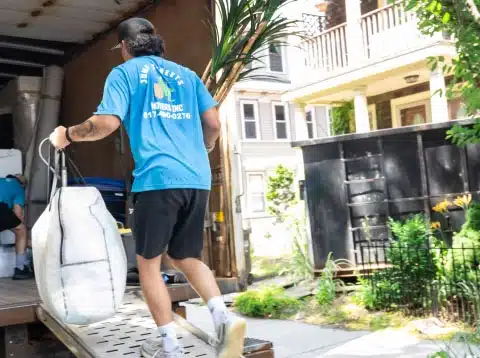


Understanding recycling rules in Massachusetts is essential for anyone who wants to reduce waste and follow state guidelines correctly. The state has some of the most detailed waste-reduction programs in the country, and residents who follow them help protect the environment and keep local recycling systems running smoothly. Many towns also have their own policies, so checking local guidelines is always smart. Jump Streets Movers breaks down everything you need to know about sorting items, finding drop-off options, and avoiding common mistakes. You will also learn where recycling rules in MA overlap with statewide standards and where communities add extra requirements.
Building Materials and Household Fixtures
When updating a home, many people throw away cabinets, countertops, windows, or doors without realizing that they can donate them. Numerous charities and non-profit organizations accept these items if they are in usable condition. Before discarding anything, check the MassDEP Beyond the Bin Recycling Directory. Type in the material, click Search, and review the map of nearby donation points. These programs support recycling rules in MA by extending the life of materials and preventing bulky waste from filling landfills.
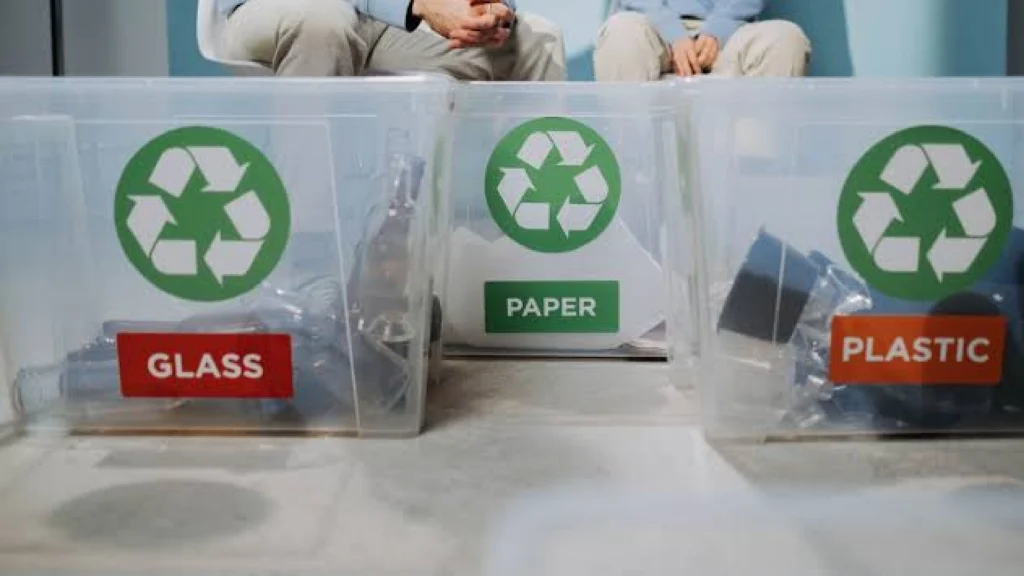
Recycling is essential nowadays.
Clothing, Footwear, Textiles, and Bedding
Old clothing, shoes, bed linens, towels, and mattresses should never go into the trash. Many cities and towns accept these items for textile recycling. For areas that do not offer curbside or drop-off textile programs, charities and secondhand organizations often take them. Many retailers also run take-back programs for worn clothing and shoes. Check store policies before visiting.
Deposit Bottles and Cans
Plastic bottles, jugs, and tubs usually belong in the recycling cart in most Massachusetts towns. Empty them fully, then rinse them so residue does not attract pests or odor. Let items drain, then put caps back on before you toss them. Loose caps can slip through sorting screens and become trash. Keep labels on, since facilities can handle them. Avoid soft plastics like grocery bags, shrink wrap, and bubble mailers, since they jam equipment. If you feel unsure about a container, check the Beyond the Bin Directory for your town. Put plastics loose in the cart, not inside another bag, for cleaner sorting. Also, keep takeout lids and black plastic out unless your town confirms they sort them successfully today.
Recycling Rules in Massachusetts for Cardboard and Paper
Paper and cardboard recycle well when they stay clean and dry. Flatten shipping boxes so they fit in your cart and do not tangle sorting lines. Break down thick boxes, then remove packing foam, plastic pillows, and bubble wrap, since those do not belong with paper. Keep food-soiled paper out, like greasy napkins or pizza box bottoms, because oil and sauce contaminate fiber. Tear off small, greasy sections and recycle the clean parts when your town allows it. Put shredded paper in a clear bag only if local rules say so. Store extra cardboard under cover until pickup day. If you get lots of mail, recycle envelopes with windows, and remove any plastic credit card offers before recycling them.
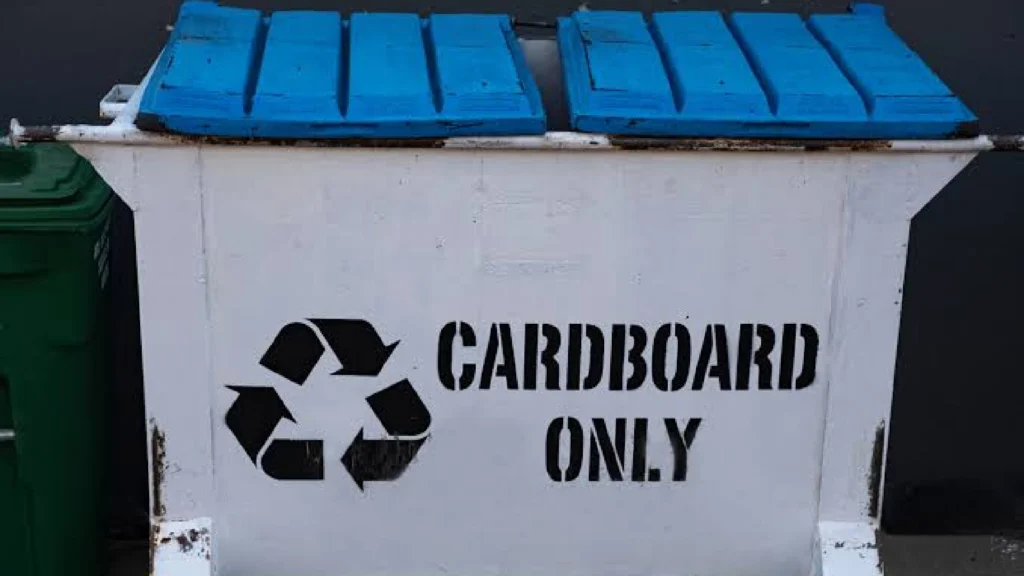
Follow recycling rules in Massachusetts and contribute to sustainability.
Recycling Cardboard, Paper, and Packing Supplies After the Move
Also, if you used a lot of packing supplies when relocating, take time to sort them correctly before recycling day. Many moving boxes can be reused, so consider saving sturdy ones for storage or offering them to friends, neighbors, or local community groups. Massachusetts towns often accept corrugated cardboard, but only when it’s flattened and free of tape, labels, or moisture. Packing paper can go in with mixed paper recycling if it’s clean, while crumpled paper that protected fragile items usually recycles well once tape is removed.
Some Packing Materials are Nor Recycable
Be careful with materials that look recyclable but are not. Stretch wrap, shrink wrap, and plastic film from furniture pads do not belong in curbside paper or plastic bins and should go to special plastic film drop-off locations if available. Foam sheets, Styrofoam blocks, and bubble wrap must be kept out of paper recycling entirely and disposed of according to local waste rules. Wooden pallets, if you have them, are often reusable and may be accepted by hardware stores or recycling centers rather than curbside programs.
Plastic Bags and Film Recycling Rules in Massachusetts
Plastic bags and film cause big problems at sorting facilities, so keep them out of curbside carts. Under recycling rules in Massachusetts, that includes grocery bags, bread bags, zip bags, pallet wrap, and air pillows. Even clean film can wrap around screens and shut down equipment. If you collect film during a move, stuff it into one larger bag and tie it closed for store drop-off. Many supermarkets accept clean and dry film in labeled bins near the entrance. Keep receipts, stickers, and food crumbs out, since contamination can ruin the whole bundle. If the film feels stretchy and tears easily, it often belongs in the store drop-off. Use the same drop-off for bubble wrap, but skip padded mailers with layers.
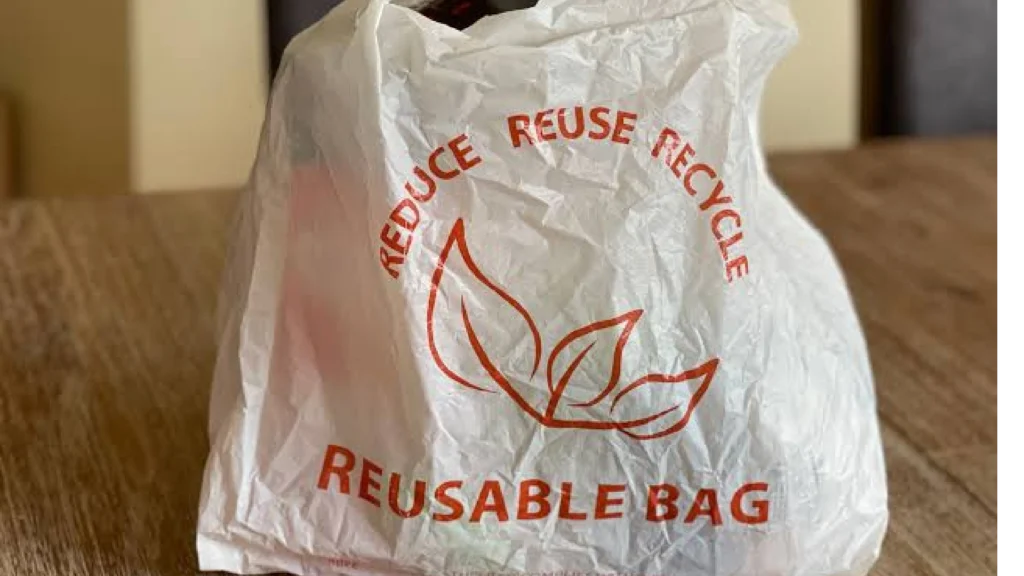
Reuse plastic bags if you cannot recycle.
Massachusetts Bottle Bill Rules for Returnable Bottles and Cans
Returnable bottles and cans follow the Massachusetts Bottle Bill, so they do not belong in your home recycling bin. Rinse them, keep them empty, and bring them back to a retailer that sells that brand and type. Most stores must redeem covered containers during open hours, and some set limits per visit. If you have a large load, use a redemption center and ask about handling fees before you unload. Do not crush containers that need barcodes scanned, since scanning drives faster refunds. Keep non-deposit glass, like many wine bottles, separate, because they belong in your town’s recycling stream. If you are not sure, check the label for the deposit statement and the state abbreviation. Sort them at home first.
Household Hazardous Waste Recycling Rules in Massachusetts
Household hazardous waste needs a separate plan, since it can harm workers and water systems. Under recycling rules in Massachusetts, items like paint, solvents, pool chemicals, pesticides, and strong cleaners require special drop-off options. Keep products sealed in their original containers, and never mix chemicals in one bottle. Store them upright in a sturdy box, then transport them in a trunk or cargo area with good airflow. Most towns run collection days, and some accept appointments only. Check limits on quantities, since programs may cap gallons, weight, or container sizes. If you have leftover latex paint, many towns prefer you dry it out and dispose of it as trash, not recycling. Call your local department for dates before you drive.
Recycling Mattresses
Mattresses and box springs need recycling or reuse options, and most haulers will not accept them loose at the curb. If the mattress stays clean and has no tears, try donation first, since reuse keeps bulky items out of landfills. Call ahead, because many charities reject mattresses for hygiene reasons even when they look fine. If the donation will not work, check your town’s transfer station rules and ask about cover requirements. Some sites require a plastic mattress bag to protect staff and keep loads cleaner. Ask about fees, since mattress recycling often costs more than trash. If you live in a building, confirm whether management schedules bulk pickup dates or needs a private hauler. Plan this early, not last-minute, especially if you’re relocating a mattress to a new location and want to recycle it there.
Use Junk Removal Services
When you hire a junk removal service in Massachusetts, make sure the company follows state and local recycling rules, not just landfill disposal. Ask the provider how they handle sorting and whether they work with recycling facilities, donation centers, or reuse programs.
A reputable junk removal service should know which items must be recycled or handled separately under Massachusetts regulations, such as mattresses, TVs, computers, and appliances containing refrigerants. They should also properly manage hazardous materials that cannot go in regular trash.

Using junk removal services is always a good choice since they act upon recycling rules in MA.
Turn to an Eco-Friendly Life
Start an eco-friendly life by building small habits you can repeat every week. Start at home. Set up clear bins for paper, containers, and trash. Follow recycling rules in Massachusetts, so you sort items the right way. Rinse bottles and cans, flatten boxes, and keep food-soiled paper out. Skip plastic bags in curbside carts, and use store drop-offs for film when available. Choose reusable bags, bottles, and food containers for daily errands. Buy refills or larger sizes to cut packaging waste. Donate usable items before you toss them, since reuse matters. Compost food scraps if your town offers a program. Check local guidelines often, since recycling rules can change by city. Track your progress, and keep improving one habit at a time. Last but not least, if you are moving to MA, don’t forget to organize an eco-friendly move. Start with an eco-conscious life the moment you relocate.