

This is not a regular guide on moving boxes and packing tape. This is a guide on how to use them and when, even though you already know the basics. Once you learn a few smart “when to switch” rules, your packing gets faster and safer. You waste less time at the store. You also stop fixing box failures at midnight. In the next lines, you will spot upgrades you can apply right away. You will also learn when it makes sense to hand the hard rooms to pros, such as Jump Streets Movers. This is how you unlock the full potential of types of packing supplies without overbuying.
Types of Packing Supplies: Boxes That Match Weight, Not Just Size
Most people pick boxes by size first. That works until a box tears in your hands. Instead, start with weight and density. Then pick the box style that holds that load.
Choose packing supplies wisely and carefully.
Start With the “Weight Map” of Your Home
Books, canned food, small tools, and dish stacks create dense weight. Linens, pillows, winter coats, and plush toys create bulk with low weight. If you pack dense items into large cartons, you create two problems. First, the box fails. Second, movers or helpers strain their backs.
Here is a quick question that saves time. Should you ever pack books in large boxes? No. Books belong in small boxes, every time. A small box forces a safe weight. It also stacks better in the truck. Also, the types of packing supplies for books include wrapping supplies and cushioning.
Use Standard Sizes with Clear Rules
Small, medium, and large boxes work, but each one needs guardrails.
- Small Boxes: Work best for heavy and compact items.
- Medium Boxes: Ideal for mixed items that stay under control and are manageable to carry.
- Large Boxes: Should be used for light items only, even if they can fit more.
If you feel the bottom bow as you lift, stop and repack. If the side walls flex, swap to a heavier-grade box. It is important to opt for different types of packing supplies to make sure nothing gets damaged.
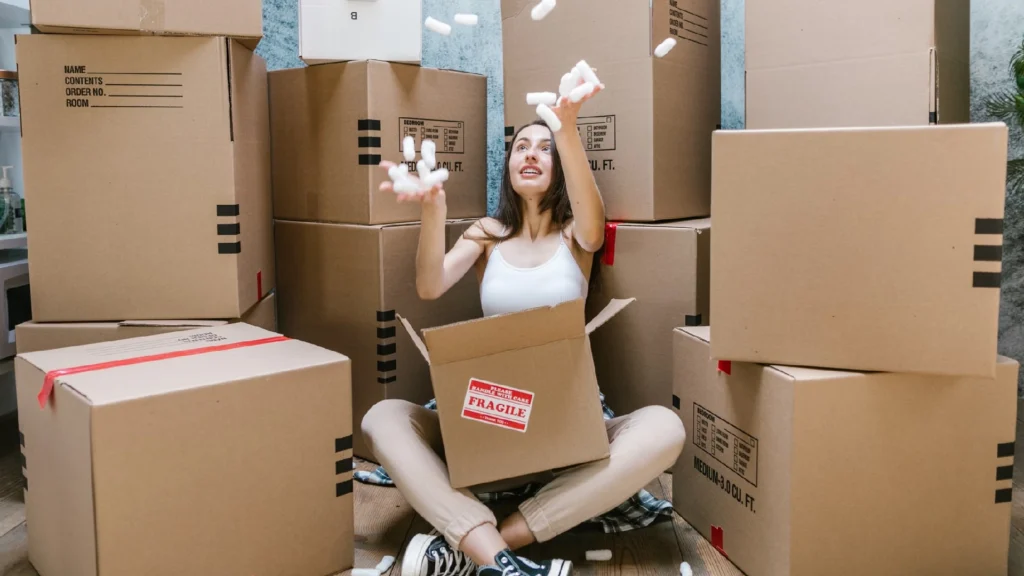
hoose boxes of different sizes.
Know When to Pay for Double-Wall Cartons
Double-wall boxes cost more, but they earn their price in specific rooms. Use them for dish packs, glassware, pantry items, and small appliances. They resist corner crush, so your stack stays stable. They also reduce the “retape cycle” on moving day.
Here are tips for choosing boxes for packing:
- Use Specialty Boxes When the Item Fights You: Some items never sit well in a plain carton. Specialty boxes fix that fast.
- Wardrobe Boxes: Keep hanging clothes clean and wrinkle-free.
- Dish Packs with Cell Kits: Protect plates and glasses from impact.
- Picture and Mirror Boxes: Reduce pressure on frames and corners.
- File Boxes: Keep paperwork upright and easy to find.
If you pack art, mirrors, or TVs, consider a box that fits the surface. A loose fit increases shifting. Shifting causes edge damage.
Seal Like You Mean It
Tape matters, but technique matters more. Use the H-tape pattern on the bottom. Run one strip along the center seam. Then cross it with two strips on the edges. If you carry heavy loads, add a second layer. Also, tape the top the same way. If you “single-strip” the bottom, you invite a blowout.
Fast box selection rules
- Pack Heavy Items in Small Boxes: This makes lifting safer and prevents boxes from becoming too heavy.
- Pack Mixed Items in Medium Boxes: These boxes help keep items balanced and manageable during transport.
- Pack Light Bulky Items in Large Boxes: Use large boxes for items that take up space but do not weigh much.
- Upgrade to Double-Wall Boxes: Choose double-wall boxes for kitchens and dense storage areas to provide extra strength and protection.
Types of Packing Supplies For Wrapping That Stops Scuffs, Not Just Breaks
Broken items cost money. Scuffed finishes cost time and regret. Wrapping stops both, but only if you match the wrap to the surface.
Paper Works Best When You Layer It With Intention
Ehen choosing the types of packing supplies, focus on layering. Use clean packing paper for dishes, glassware, and décor. Newsprint can transfer ink, so avoid it on white ceramics and fabrics. Kraft paper works well for basic filler, but it can feel rough on glossy finishes. A good wrapping habit looks simple. Wrap the item. Then tuck the paper ends tight. Then tape the paper to itself, not to the item. This keeps residue off surfaces.
Bubble Wrap Protects, but Direction Matters
Many people wrap the bubble side out because it feels neat. Use the bubble side for fragile items. The bubbles cushion the surface. The flat side faces outward, so it slides into cartons without snagging. Ask yourself this. Do you need giant bubbles for wine glasses? No. Use smaller bubbles for delicate rims. Use larger bubbles for frames, lamps, and sturdy décor.
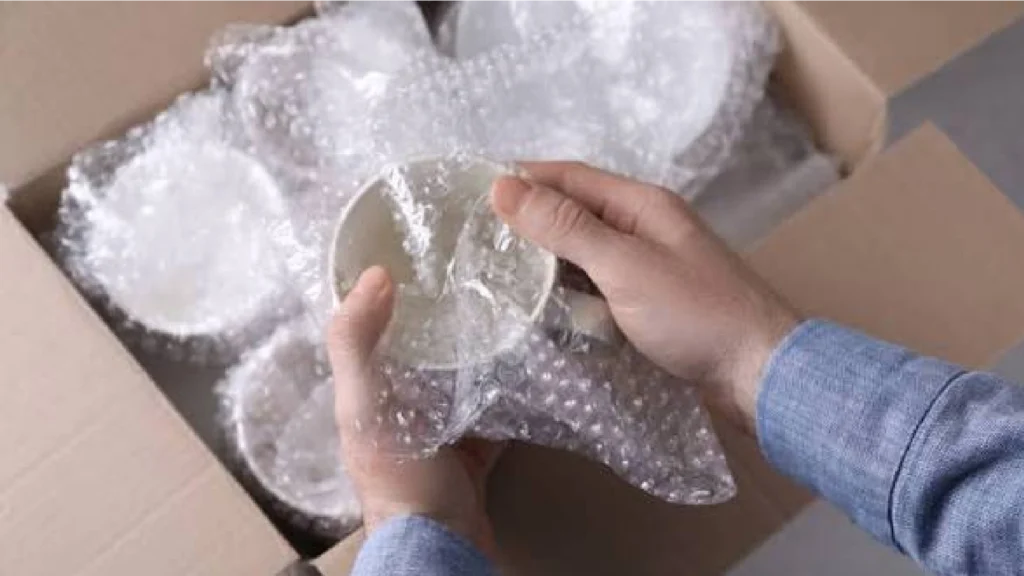
Bubble wrap is always a good choice, but be careful about its usage.
Foam Wrap Stops Abrasion
Foam sheets and foam rolls shine on polished wood, glossy frames, and electronics screens. Bubble wrap can leave pressure marks on soft finishes. Foam reduces that risk. It also takes up less space in some boxes.
Stretch Wrap is a Bundling Tool, not a Finish Protector
Stretch wrap works great to bundle loose parts. It keeps drawers shut. It holds cords together. It also protects upholstery from dirt. Yet it can trap moisture on wood and leather. So use it as an outer layer over a blanket or foam. Do not wrap bare wood in plastic for long periods.
Moving Blankets Do Heavy Work
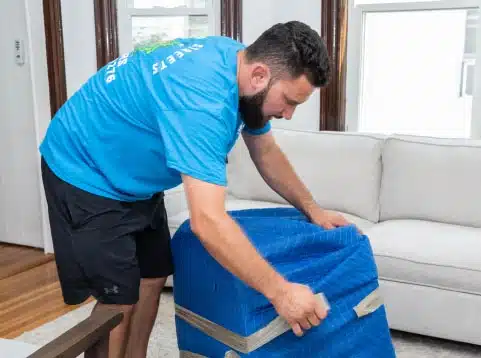
When choosing the types of packing supplies, never forget the importance of blankets. Namely, blankets protect furniture edges, railings, and doorframes. They also reduce vibration on larger items. Wrap the blanket snugly. Then secure it with stretch wrap or tape that touches only the blanket.
Packing Materials That Actually Prevent Surface Damage
You can pack a vase so it never breaks, yet it still arrives scratched. That happens when you protect impact but ignore friction. Use different types of packing supplies, such as foam on glossy and delicate finishes. Use paper as a base wrap for glass and ceramic. Use blankets for furniture and framed items.
Here is a question worth asking. Should you wrap everything in bubble wrap? No. That costs more, and it can harm certain finishes. You need a mix, and you need a reason for each layer.
A simple wrapping and packing recipe
- Base Wrap: Use paper or foam based on the surface of the item.
- Cushion Layer: Add bubble wrap or a moving blanket for extra protection.
- Secure Layer: Apply tape on the wrapping material, not directly on the item.
- Box Fill: Use packing paper to fill empty spaces and stop movement inside the box.
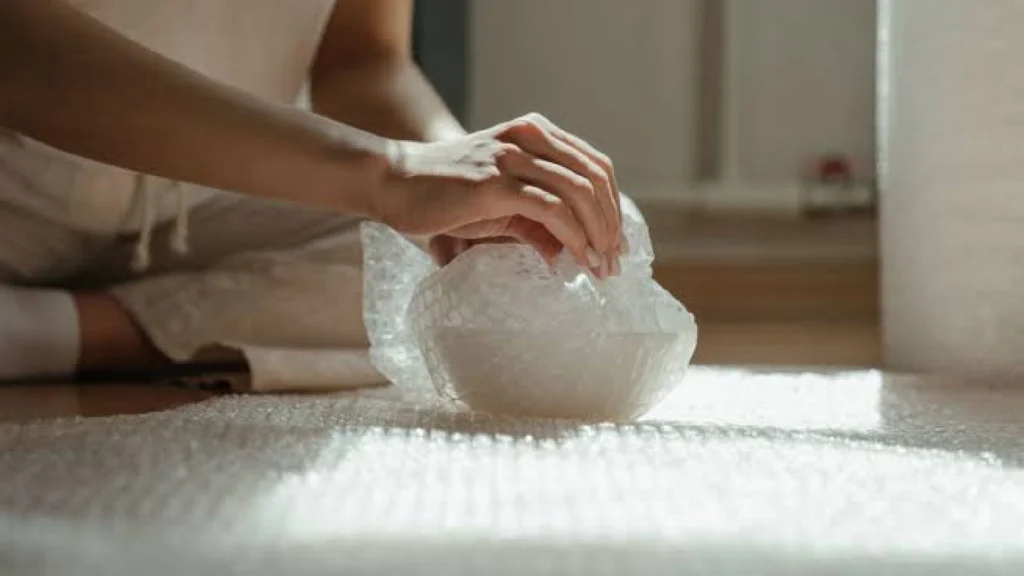
Bubble wrap is great, but sometimes not enough.
Types of Packing Supplies for Odd Shapes That Refuse To Fit
Odd shapes create the worst surprises. They snag, puncture, or roll. They also waste space. The fix starts before you wrap anything.
- Do a Quick “Shape Audit”: Look for three risk types—sharp edges, protruding parts, and rolling parts. A floor lamp has a long stem and a wide shade. A stroller has joints and wheels. A guitar has a fragile neck. Each one needs a different plan.
- Disassemble When It Makes Packing Safer: Disassembly saves space and prevents pressure damage. Remove table legs when they stick out. Remove knobs that can snap. Detach shelves and glass panels. Put all hardware in a sealed bag, then tape that bag to the item’s main body.
- Build a Cardboard Shell for Awkward Items: Cardboard works as a custom guard. Make corner protectors for frames and furniture. Create a sleeve for long items like lamp stems, tripods, and curtain rods. For items that stay exposed, like rakes and brooms, wrap the ends with cardboard and tape the cover tightly.
- Use Containers That Control Leaks and Tangles: Plastic totes work well for items that can leak or snag, such as cleaning supplies, garage liquids, or pantry bottles. Totes also help with oddly shaped kids’ items and often stack better than random cartons.
- Pack Cords and Attachments Like You Will Unpack Tomorrow: Coil cords neatly and use Velcro ties or small zip ties. Keep remotes in labeled bags, and tape the bag to the device while keeping tape off the device surface.
Odd-shape prep checklist
When packing oddly-shaped items, do the following:
- Remove Parts That Stick Out or Snap: Detach any components that could break or make the item harder to pack safely.
- Bag Hardware and Attach It to the Item: Place screws, bolts, and small pieces in a sealed bag and secure it to the main item so nothing gets lost.
- Cover Sharp Edges with Cardboard: Use cardboard protectors to prevent damage to the item and reduce the risk of injury during handling.
- Bundle Cords and Label Attachments: Coil cords neatly, secure them with ties, and label each attachment so reassembly is quick and simple.
Types of Packing Supplies: Tools, Cushioning, and Load Control
Tools decide your pace. Cushioning decides your damage rate. Most moves fail on these two points, not on box choice.
- Tape Choice Matters, but Your Tape Job Matters More: Standard packing tape works for most cartons, while heavy-duty tape fits heavier loads and cold weather. If you pack in winter, keep tape warm indoors because cold tape loses stick fast. A tape gun helps keep tension consistent and reduces wasted tape. If you hand-tape, pull tight and smooth each strip to avoid air bubbles that can cause the tape to lift sooner.
- Cut Clean, Label Clear, and Keep the Kit in One Spot: Use a sharp box cutter and change blades often. Dull blades tear cardboard and weaken the flaps. Keep scissors for soft goods and wrapping materials. Use thick markers that show clearly on brown cardboard, and label two sides of each box—not just the top.
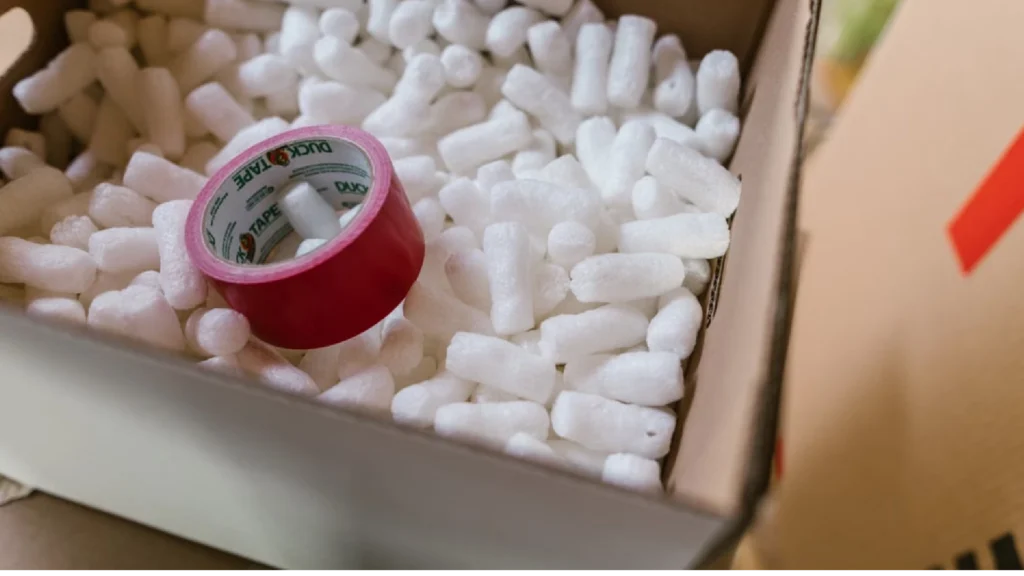
- Cushioning Should Stop Movement, Not Just Add Softness: Soft fill that allows shifting will fail. Aim for zero movement inside the carton by placing cushioning under the item, around it, and above it. Paper works well as void fill. Bubble wrap also works but costs more. Foam peanuts fill space quickly but can shift, while air pillows are best for light items since they collapse under weight.
These types of packing supplies offer full protection.
When Massachusetts Pros make Sense, Even for DIY Packers
Some rooms take the most time, so they also create the most fatigue. Kitchens, glass-heavy cabinets, and art walls sit at the top of that list. Many people pack the easy rooms first. Then they rush the hard rooms. That is when damage spikes.
A smart middle path exists. Pack the basics yourself. Then hire professional packing services for the fragile zones. In Massachusetts, many moving companies offer packing as an add-on, so you can scale help up or down. This choice can also reduce the time your move takes, which helps with building rules and parking limits.
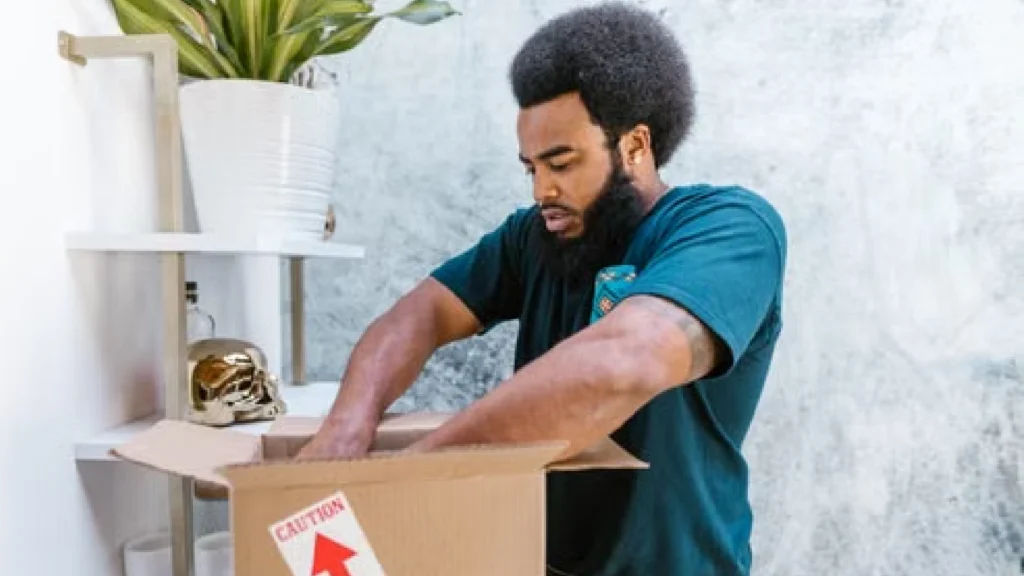
The greatest packing tip you can get is to hire professional packers.
Sustainable Packing Choices That Still Protect Your Stuff
Sustainability does not mean you accept more damage. It means you choose reuse where it works. Reusable moving crates can cut cardboard waste on local moves. Recycled paper fill also helps, as long as you keep it clean and dry. You can also reuse boxes, but only if they stay rigid. If a box has soft corners or a torn seam, recycle it. If you hire local movers in Massachusetts, ask if they offer reusable crates or blanket-heavy packing methods for large items. Many teams already use blankets and pads for furniture because it works.
Supplies That Work Best for Storage, Not Just Moving Day
Storage changes the goal. You want stack strength and humidity control, even when using professional storage units in Chelsea MA. Choose uniform bins or uniform cartons. Mixed sizes topple. Use desiccants in bins for clothing and electronics. Label clearly with contents and “do not stack” notes where needed.
What to Do With Supplies After Move-in
Most people leave supplies in piles for weeks. That wastes space and invites mess. Set a short plan for the first weekend.
A simple after-move supply plan
- Break Down Good Boxes and Store Them Flat: Flatten sturdy boxes carefully so they can be reused for future moves or storage.
- Recycle Weak Boxes and Loose Paper: Dispose of damaged boxes and excess packing paper responsibly through local recycling programs.
- Keep One “Packing Kit” Bin for Tape and Markers: Store essential packing tools together in a single container so they are easy to find when needed.
- Donate Extra Supplies to Neighbours or Groups: Share leftover packing materials with friends, neighbors, or community organizations that may be preparing for a move.
If you keep a small kit, your next move or storage project feels easier. You also avoid buying duplicate tools.

Make an inventory list and choose packing supplies according to it.
Last Word: Use Strategy, Then Get Help Where It Counts
You can pack well without packing forever. Pick upgrades that match your risk, your timeline, and your home layout. Then stop shopping and start packing with a clear method. If the kitchen, art, or fragile zones slow you down, hand those rooms to professional packing services in Massachusetts. That choice often cuts down on breakage and saves weekend hours. When you apply these rules, types of packing supplies stop feeling like random purchases and start working like a system.