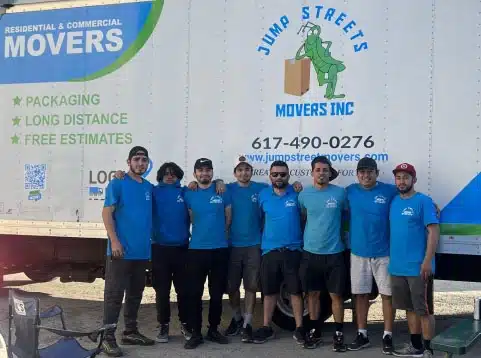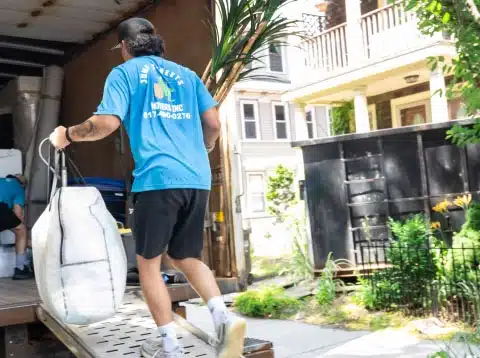


Winter turns a simple unload into a slip-and-soak problem fast. Unload a moving truck the wrong way, and boxes soften, ramps get slick, and the driveway turns into a hazard. Still, a safe unload does not need fancy gear. It needs a clear path, traction where feet land, and a dry plan for every box. Jump Streets Movers provides a step-by-step approach for snow, rain, and ice. You’ll know what to prep first, what order to carry items, and what to avoid when the ground looks “mostly fine.” Unload a moving truck with this plan, and you cut damage, delays, and close calls.
Winter Prep to Unload a Moving Truck Safely
Indeed, moving in winter is challenging. There are a lot of things to tackle, and unloading a moving truck is the most important. Winter unloading works best with a quick setup first. Unload a moving truck only after you check the ground. Look for glare ice, slush pockets, and soft snow that hides holes. Next, watch the driveway slope and the curb edge. A truck can slide a few inches and crush your safe walking lane. Also, check the entryway. Wet thresholds and tile turn into a slip trap fast. So, plan a dry path, add traction, and stage items inside right away. That plan saves boxes, furniture, and ankles.
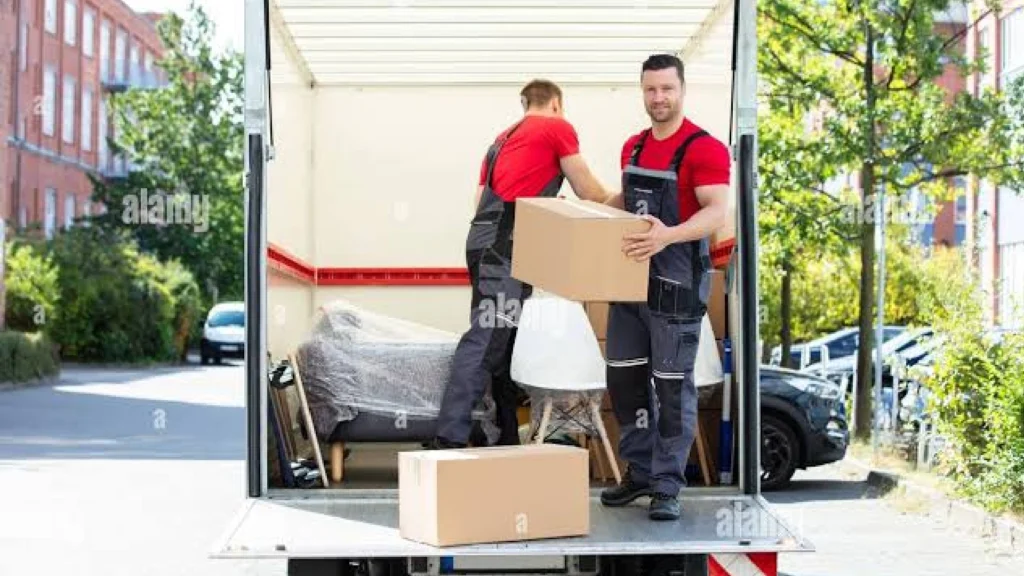
Check every surface before you unload a moving truck.
Clear the Driveway and Protect Traction Before You Start
Start at the truck parking area, then work toward the door. Shovel wide, not narrow. A two-person carry needs space to pivot. Next, scrape down to pavement when you can. Salt works better on bare spots than on packed snow. Still, salt needs time. Put it down early and reapply where boots polish the surface. If the driveway slopes, cut a switchback route. A longer route beats a risky straight line. Then mark the edges with cones or buckets. Snow hides drop-offs and garden borders.
Set Pp the Entryway Like a Wet-Work Zone
Treat the doorway like a mini job site. First, lay down runners from the threshold inward. Use cardboard, thick drop cloths, or floor protection rolls. Next, place a “drip zone” just inside the door. Keep towels there for hands, handles, and boots. Then add a second layer near the outside step. A small mat outside catches grit. Keep the door area bright, too. Winter light fades early, and shadows hide ice. Also, keep kids and pets away from the carry lane.
Equipment that Helps You Unload a Moving Truck in Snow and Ice
The right gear changes the whole day. Big wheels roll over slush better than small casters. A dolly with pneumatic tires grips uneven concrete. Strap handles help when gloves feel bulky. On steps, a stair-climbing hand truck helps, but only on clean, dry treads. If you use a ramp, watch the angle. A steep ramp plus sleet equals a fast slide. If the ramp feels sketchy, switch to shorter carries. This is also where unload a moving truck pacing matters. Slow trips beat a fall.
- Hand truck with pneumatic tires or stair climbers
- Wheel chocks, plus a sturdy doorstop
- Traction mats, towels, and a push broom
- Box covers, stretch wrap, and trash bags
- Headlamp or portable work light
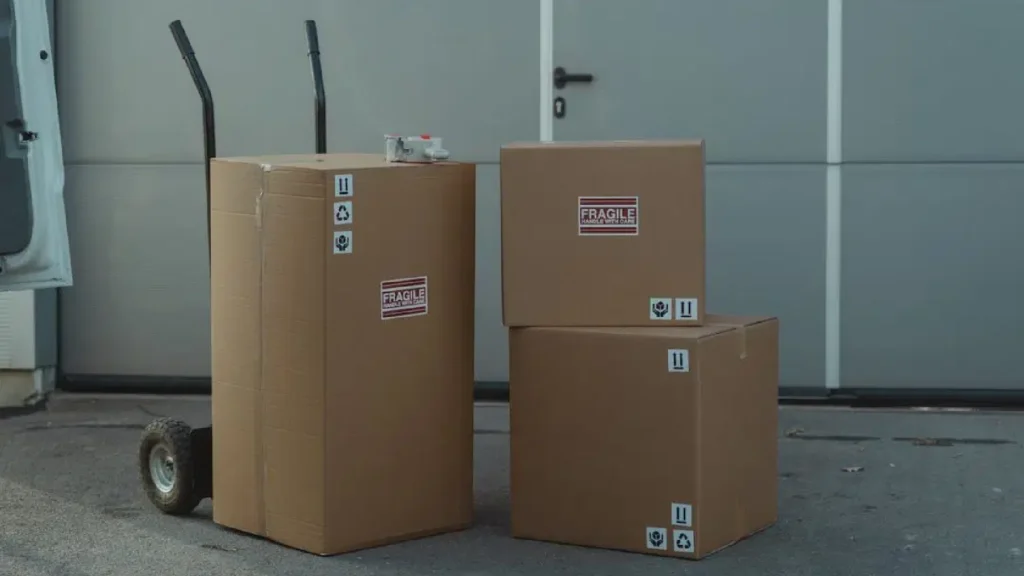
A dolly is a must when loading a moving truck.
Keep Boxes Dry During Unloading a Moving Truck
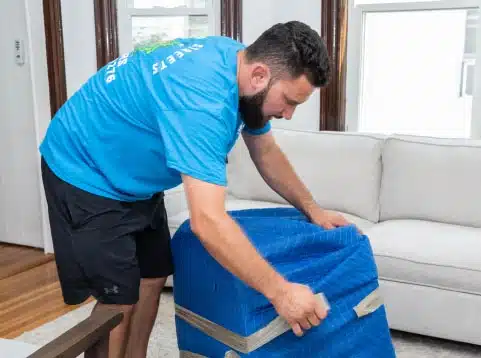
Cardboard fails when it soaks. So, protect the bottom half of each box before it touches the ground. Use stretch wrap around the lower corners. Or slide the box into a clean trash bag and tape the top. Next, avoid resting boxes on wet pavement. Place a tarp near the truck as a temporary landing pad. Then move boxes inside in small batches. Don’t build tall stacks in a damp entryway. Moisture weakens the bottom box first. Use plastic bins for anything that must stay dry, like linens, books, and electronics.
A Safer Unloading Order for Winter Weather
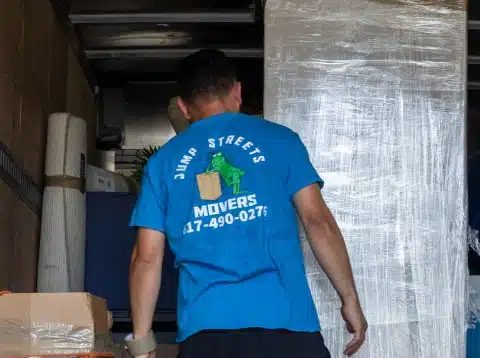
Order matters more in cold rain and snow. First, bring in safety gear and floor protection. Then bring in moisture-sensitive items early. After that, move heavy furniture while the path stays clean. Snow turns to slush as boots pack it down. So, your best traction happens at the start. Keep one person on “path duty” if possible. That person re-salts, wipes handles, and resets mats. Next, save garage and shed items for last. Those loads can handle a little moisture, and you can pause if the weather turns.
Deal With Ramps, Steps, and Black Ice the Smart Way
Black ice shows up near gutters, downspouts, and shaded corners. So, test the surface with short steps before you carry anything heavy. If you feel a slide, stop and fix it. Scrape, salt, wait, and test again. On steps, keep one hand free when you can. Use rails and spotters for awkward pieces. Also, watch the truck threshold. Meltwater drips off the liftgate and freezes at the edge. Wipe it often. If freezing rain starts, pause the move and protect what sits near the door.
Park the Truck to Avoid a Winter Slip or Slide
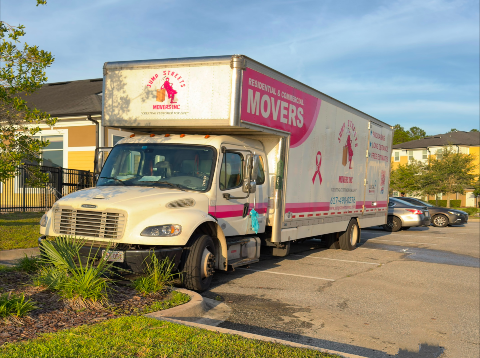
A good park job reduces risk right away. Aim for level ground. Avoid soft shoulders that hide under snow. Keep the rear door facing the safest path to the entryway. Use wheel chocks if you have them, especially on slopes. Then check overhead areas. Icicles, roof runoff, and heavy snow loads can drop near your path. Also, keep the truck floor clean near the door. Water and grit build up fast, and one bad step can end the day. Keep a broom in reach and sweep often. Lastly, check the HOA rules regarding parking a moving truck.
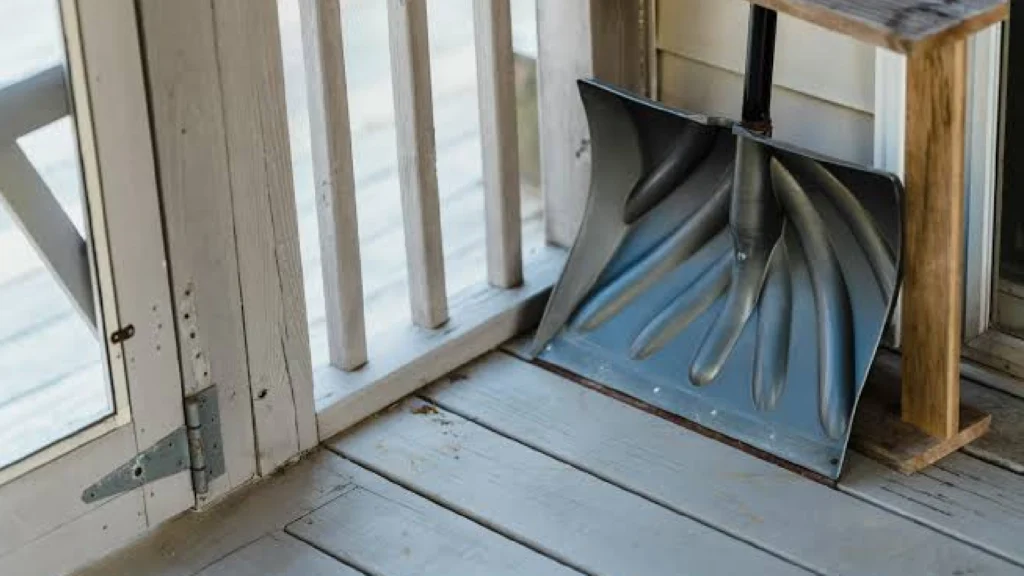
Use a gardening spade to remove snow before you park a truck.
Finish Strong and Reset the Home Fast
Once everything sits inside, keep moisture under control. Open boxes in the driest room first. Hang wet blankets and pads right away. Wipe wood furniture before water spots set. Then re-check floors. Salt grit can scratch hardwood and tile. Vacuum or sweep before you drag anything across the surface. If you used cardboard runners, pull them up before they soak through. Finally, walk the route one last time and clear any hazards for neighbors. Unload a moving truck in winter takes patience, but the right steps prevent damage. For the utmost safety, use our MA moving services and ensure the safest unloading.