


Massachusetts homes face freeze-thaw cycles, coastal moisture, summer humidity, and heavy leaf fall. A clear plan for seasonal home maintenance tasks protects the structure, lowers repair costs, and supports property value. However, with Jump Streets Movers, you’ll focus on practical actions that work across the state, from single-family homes, apartments, condos, triple-deckers, to Worcester colonials and Cape Cod cottages. You will find exact steps, realistic schedules, and credible sources to support each recommendation.
Seasonal Home Maintenance Tasks for Massachusetts Homes Start With Understanding Property Type
Maintenance priorities change based on structure, age, and ownership model. Ignoring this step leads to wasted effort and missed risks. This is why smart homeowners begin by mapping their home maintenance tasks for each season to their specific home.

hared Systems Need Frequent Checks
Lowell: Older Housing And Services
Older and multi-family homes in Lowell often have aging flashing, drafty attic access points, and older chimneys. Plan a roof edge and flashing check every spring and again in late fall. Inspect attic insulation and air sealing once per year, since heat loss can drive ice dams later.
Triple-deckers also need closer monitoring of shared plumbing stacks, since one slow leak can damage multiple ceilings. Watch for new stains, bubbling paint, or musty smells, then trace the source fast. Schedule chimney inspections yearly if you use a fireplace or wood stove. The Massachusetts Department of Fire Services advises annual chimney inspections for homes that burn solid fuel.
Whether you live in a home, rent it, or have just moved with Lowell MA movers, do the seasonal maintenance checks and fixes to ensure peace of mind.
Newton: Confirm Hoa Boundaries and Document Responsibilities Early
Many condos and townhomes in Newton depend on HOA schedules for exterior work such as roofing, siding, gutters, and snow removal. Ask for the current maintenance plan, vendor list, and service dates, then align your own checklist with it. Confirm in writing who handles windows, balcony doors, and exterior hose bibs, since these vary by association documents.
Track your HVAC service history, filter changes, and any interior plumbing repairs, since owners often control these systems. Keep photos and receipts for any work you complete, because HOAs may request documentation during inspections. Coordination prevents duplicated work and reduces the risk of surprise violations. Getting acquainted with the HOA rules and regulations upon moving with movers in Newton MA is crucial for avoiding mistakes and additional expenses.
Brockton: Focus On Drainage, Basement Moisture, and Roof Performance
Brockton homes often deal with heavy rain cycles and freeze-thaw stress that can expose drainage weak points. Clean gutters at least twice per year and confirm downspouts discharge well away from the foundation. Test sump pumps before spring rain and keep a battery backup if your basement takes on water during storms. Check grading around the home, since soil that slopes toward the foundation increases seepage risk. Inspect roof shingles and flashing after winter, then again after major wind events. Replace worn weatherstripping at doors and basement bulkheads to cut drafts and moisture entry.
If you want to do the seasonal maintenance tasks in a clutter-free home, hire movers in Brockton to relocate your items to a storage unit after you downsize.
Lynn: Plan for Moisture, Wind Exposure, and Coastal Corrosion Risks
Homes in Lynn can face stronger winds, higher humidity, and salt exposure that speeds up corrosion on exterior metals. Rinse outdoor metal fixtures, railings, and AC condenser coils several times each summer. Check exterior electrical covers and fasteners for rust, then replace compromised parts before they fail. Inspect siding and trim for early paint failure, since salty moisture can lift coatings faster. Review roof edges and flashing after storms, since wind-driven rain can exploit small gaps.
NOAA notes that coastal environments increase corrosion risk due to salt exposure, so regular rinsing and inspection matter here. Check these before moving into a house in Lynn, check iteven before hiring Lynn movers for relocation.

Checking the roof is a must every season.
Seasonal Home Maintenance Tasks for Spring in Massachusetts
Spring reveals damage hidden by snow and ice. Fast action during March through May prevents long-term structural issues.
Exterior Inspection After Winter
This is not a casual glance. Walk the entire property and document conditions.
- Check Hose Bibs for Leaks: Inspect connection points for drips or moisture that may indicate worn washers or loose fittings.
- Inspect Irrigation Systems: Look for uneven water pressure, clogged sprinkler heads, or damaged lines that can reduce efficiency and waste water.
- Monitor Water Heater Temperature: Keep the water heater set at 120°F, as recommended by the U.S. Department of Energy, to balance safety, comfort, and energy efficiency.
Basement Moisture Control
Massachusetts receives heavy spring rainfall. Water intrusion often starts small.
- Test Sump Pumps: Pour water into the pit to ensure the pump activates and removes water effectively.
- Confirm Battery Backups: Verify that backup systems operate properly during power outages to maintain protection against flooding.
- Inspect Foundation Walls: Look for efflorescence, a white powdery residue that signals recurring moisture issues.
- Monitor Basement Humidity: Use a hygrometer and keep the basement humidity under 60 percent, as advised by the Environmental Protection Agency.
HVAC System Preparation
Spring is the only low-pressure window to prepare cooling systems.
- Replace Air Filters: Change air filters every 60 to 90 days to maintain proper airflow and improve indoor air quality.
- Schedule AC Tune-Ups: Arrange professional air conditioning maintenance before June to ensure reliable cooling during warmer months.
- Clean Dryer Vents: Remove lint buildup regularly to improve dryer efficiency and reduce the risk of fire.
- Confirm Bathroom Fan Venting: Make sure bathroom exhaust fans vent outside the home rather than into the attic to prevent moisture buildup and potential mold issues.
These actions are core to effective home maintenance tasks for each season and prevent emergency calls during peak heat.
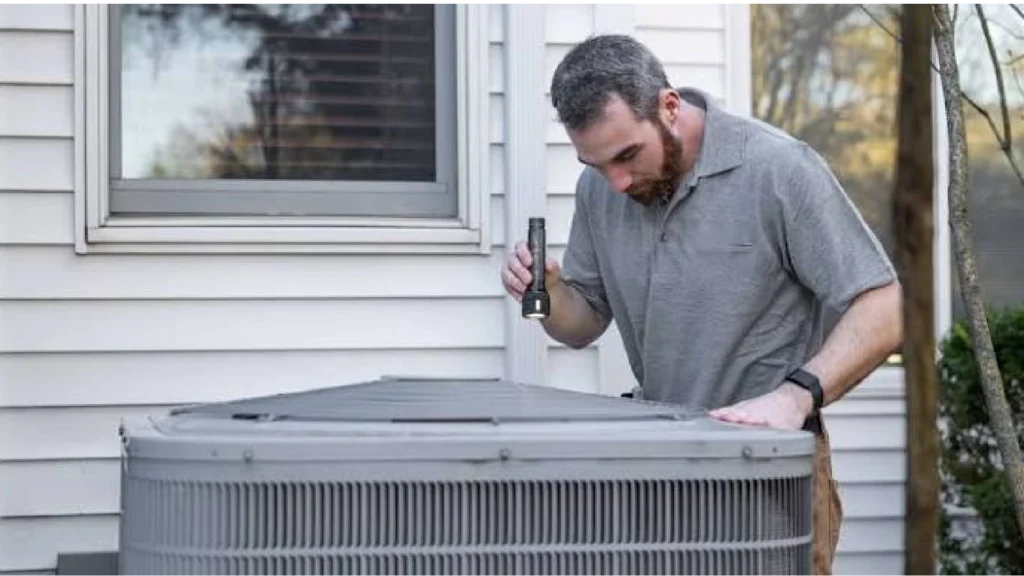
Checking the HVAC system is the most important part of home maintenance tasks.
Seasonal Home Maintenance Tasks for Summer Conditions in MA
Summer damage often looks slow but becomes expensive by fall. Heat, UV exposure, storms, and humidity all degrade building materials.
Moisture and Ventilation Control
Basements in Cambridge, Medford, and Brookline often experience summer dampness due to dense soil and older foundations.
- Run Dehumidifiers: Operate dehumidifiers continuously when humidity exceeds 60 percent to control moisture and prevent mold growth.
- Confirm Attic Ventilation: Ensure proper airflow in the attic to prevent heat buildup and protect roofing materials.
- Check Bathroom Fans: Verify that bathroom exhaust fans effectively remove moisture after showers to reduce humidity and condensation.
- Inspect Window Sills: Look for early signs of rot, peeling paint, or soft wood that may indicate moisture damage.
Exterior Maintenance Window
Warm, dry weather allows work that fails during cold months.
- Re-Caulk Gaps Around Windows and Doors: Seal any openings to prevent drafts, moisture intrusion, and energy loss.
- Spot-Prime and Paint Exposed Trim: Protect wood surfaces from weather damage by priming and repainting areas where paint has worn away.
- Wash Siding with Low-Pressure Methods: Clean exterior surfaces carefully to remove dirt and mildew while avoiding water intrusion behind the siding.
- Inspect Deck Fasteners and Rail Stability: Check screws, bolts, and railings to ensure the deck remains safe and secure for use.
- Maintain the Swimming Pool: Perform regular swimming pool maintenance before and during the summer to keep water clean, balanced, and safe for use.
Water System and Plumbing Checks
Higher water usage often exposes weaknesses.
- Check Hose Bibs for Leaks: Inspect connection points for drips or moisture that may indicate worn washers or loose fittings.
- Inspect Irrigation Systems: Look for uneven water pressure, clogged sprinkler heads, or damaged lines that can reduce efficiency and waste water.
- Monitor Water Heater Temperature: Keep the water heater set at 120°F, as recommended by the U.S. Department of Energy, to balance safety, comfort, and energy efficiency.
Strong summer habits make home maintenance tasks for each season realistic instead of overwhelming.

Summer is perfect for a plumbing check.
Seasonal Home Maintenance Tasks for Fall Preparation Across Massachusetts
Fall is the most important season for preventive care. It prepares homes for the long heating season. Also, use this period for fall storage refresh and maintenance.
Heating System Readiness
Most Massachusetts homes depend on gas, oil, or electric heat. Failure during January storms is costly and dangerous.
- Schedule Boiler or Furnace Servicing: Arrange professional maintenance before October to ensure reliable heating performance during colder months.
- Bleed Radiators in Older Steam Systems: Releasing trapped air helps radiators heat evenly and is a common seasonal task in older homes.
- Replace Thermostat Batteries: Install fresh batteries to prevent unexpected heating interruptions and maintain accurate temperature control.
- Test Carbon Monoxide Detectors: Check detectors on every level of the home to ensure they are functioning properly and keeping occupants safe.
Drainage Protection During Leaf Season
Tree-heavy towns see heavy buildup.
- Clean Gutters: Remove leaves and debris at least twice in the fall to prevent clogs and water overflow.
- Extend Downspouts: Direct water away from the foundation by adding extensions to downspouts where needed.
- Clear Street Drains Near the Curb: Keep nearby drains free of leaves and debris to reduce water pooling near foundations.
Flooded basements often trace back to blocked roof drainage rather than groundwater.
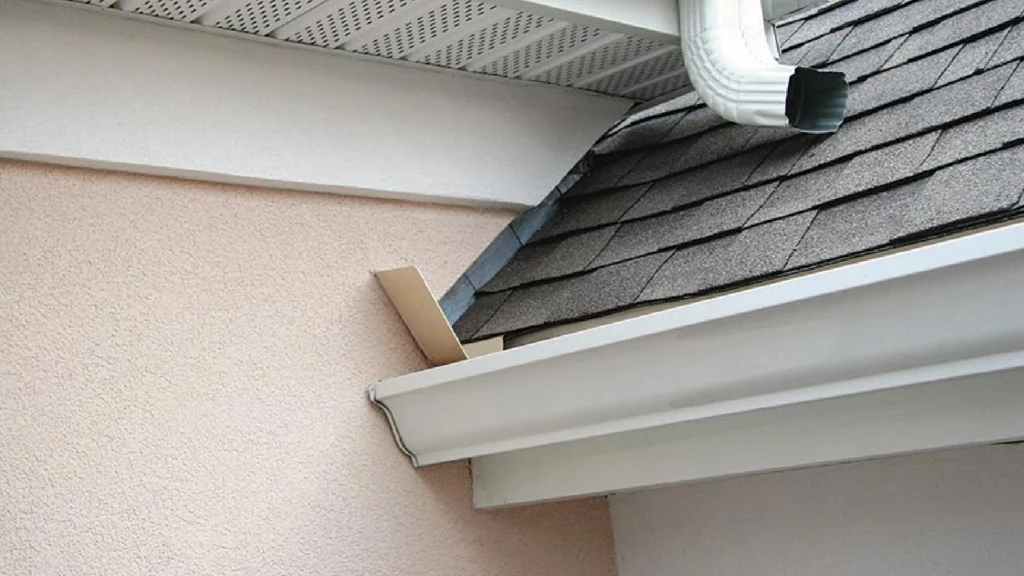
ne of the most important winter home maintenance tasks is cleaning the gutters frequently.
Winter Risks Make Seasonal Home Maintenance Tasks a Safety Priority
Winter is about monitoring and response. Prevention reduces damage, but attention prevents disaster.
Ice Dam Awareness
Ice dams damage roofs and ceilings throughout the state, especially in homes with uneven insulation.
- Watch for Thick Icicles: Monitor roof edges for large icicles, which may signal ice dams or poor attic insulation.
- Maintain Consistent Indoor Temperatures: Keep indoor temperatures steady to help prevent uneven roof melting and refreezing.
- Avoid Using Roof Rakes Unsafely: Do not attempt to remove snow or ice from ladders without proper safety equipment and support.
- Confirm Proper Attic Insulation: Ensure attic insulation meets recommended R-values for Massachusetts, typically R-49 or higher.
Indoor Humidity Management
Dry winter air feels comfortable, but moisture buildup inside is dangerous.
- Keep Indoor Humidity Between 30 and 50 Percent: Maintaining proper humidity levels helps prevent mold growth, condensation, and indoor air quality issues.
- Use Kitchen and Bath Exhaust Fans Consistently: Run exhaust fans during and after cooking or showering to remove excess moisture from the air.
- Monitor Condensation on Windows: Watch for moisture buildup on glass surfaces, as it can serve as an early warning sign of high indoor humidity.
The Centers for Disease Control and Prevention links high indoor moisture to increased mold growth and respiratory risk.
Emergency Preparedness
Power outages affect Western MA and hill towns frequently.
- Keep Backup Batteries for Sump Pumps: Maintain charged backup batteries to ensure the sump pump continues working during power outages.
- Use Surge Protectors for Major Appliances: Protect important equipment from electrical surges that can cause damage or failure.
- Store Flashlights and Spare Batteries in Accessible Areas: Keep emergency lighting supplies in easy-to-reach locations for quick use during outages.
These steps turn home maintenance tasks for each season into risk management rather than routine chores.
HOA Responsibilities and How They Affect Your Maintenance Plan
Many Massachusetts homeowners live under HOA governance. Ignoring this can lead to fines or duplicated effort.
Typical HOA responsibilities often include roof replacement, exterior siding, common walkways, and snow removal. Owners usually manage HVAC systems, windows, depending on bylaws, interior plumbing, and appliances.
Before performing work, review governing documents. Some associations require written approval for exterior changes, satellite dishes, or EV chargers. Keeping records with photos and invoices protects homeowners during disputes. This makes communication part of effective home maintenance tasks for each season rather than a separate administrative burden.

Never miss out on checking HOA laws.
Hoa Responsibilities and How They Affect Your Maintenance Plan
A realistic system prevents burnout and missed steps. Instead of long lists, group work by effort level. Use a digital calendar with repeating reminders. Tie tasks to natural triggers. Clean gutters after the final heavy leaf drop. Test sump pumps before April rain. Schedule heating service by early September. This structure makes seasonal home maintenance tasks sustainable. Homeowners who track their maintenance history also support resale value. Buyers and inspectors view organized records as proof of care.
When to Handle Work Yourself and When to Hire Licensed Professionals
Not every task should be DIY. Smart decisions prevent injury and code violations. DIY tasks include filter changes, visual inspections, testing alarms, and cleaning gutters on single-story homes. Professional work should handle electrical panel upgrades, roof repairs, chimney work, major tree removal, and gas appliance service.
The Massachusetts Office of Consumer Affairs advises homeowners to verify licenses for electricians, plumbers, and HVAC contractors using the state license lookup tool. Responsible decisions protect safety and legal compliance while keeping home maintenance tasks for each season practical.
Home Storage Maintenance and Organization for Year-Round Protection
Storage areas play a direct role in successful seasonal home maintenance tasks because clutter hides leaks, pests, and structural issues. Basements, attics, and garages in Massachusetts need routine checks as part of home maintenance tasks for each season. Store items at least four inches off the floor to reduce moisture damage during spring rains. Use sealed plastic bins instead of cardboard to prevent mold and pest attraction. Check stored belongings twice per year for signs of mice, silverfish, or moisture stains.
Avoid placing items against foundation walls, since this blocks early detection of seepage or cracks. Label seasonal items clearly so you can rotate them without digging through stacked boxes. Dehumidifiers in basement storage areas should maintain humidity below 60 percent, which the Environmental Protection Agency links to lower mold risk. Organized storage supports safer inspections and keeps seasonal home maintenance tasks practical rather than time-consuming. However, if you don’t have enough space for your items, use professional storage units in Chelsea MA to secure your belongings.

Store your belongings securely to avoid clutter, which can lead to structural issues.
Last But Not Least, If You’re Buying a Home in MA, Request Home Maintenance Reports
Most importantly, if you are buying or renting a home in Massachusetts, request full home maintenance reports before closing. These records show how well previous owners handled seasonal home maintenance tasks such as roof inspections, HVAC servicing, gutter cleaning, and plumbing repairs. Ask for invoices, permits, and warranty details for major systems. Review dates for boiler service, chimney inspections, and electrical upgrades. Strong documentation lowers risk and supports realistic budgeting after purchase. Gaps in records often signal deferred care and higher repair costs. Make the report review part of due diligence so you can plan future maintenance goals set. Always think two steps in advance.