

Relocating your home and office simultaneously can save days or waste weeks. The difference comes from one clear plan, one clean timeline, and fast decisions. You need to protect your workdays and your family routine at the same time. So you will run two moves in parallel, not in chaos. That means you track every item, lock every deadline, and assign every task to a person. This is challenging but possible with the right moving companies in Massachusetts, such as Jump Streets Movers.
Relocating Your Home and Office Simultaneously Starts With One Master Plan
Start with one document that controls everything. Use it daily. Keep it simple. You need dates, owners, and status. If you plan in separate files, you will miss overlaps. Then problems stack up. Set one target move week. Then work backward. For each week, list what must be finished. Keep home tasks and office tasks side by side. That parallel view prevents surprises.
At home, focus on bedrooms, the kitchen, and the kids’ routines first. However, don’t leave attics and basements last. Declutter attics and basements as soon as you make an inventory list. At the office, focus on IT, records, and customer access first. Those areas break fastest when you rush.
- Key dates: lease end, handover, utility cutover, internet install
- Teams: home lead, office lead, vendor lead, IT lead
- Inventory: home rooms, office zones, storage, archives
- Access: keys, badges, elevator bookings, parking, loading docks
- Risk items: fragile, high-value, regulated, essential work tools

When coordinating a business move, carefully explain all the details to your coworkers.
Build A Two-Lane Timeline That Runs In Parallel
Think in two lanes: Home lane and Office lane. Each lane gets tasks for the same week. Then you connect tasks that depend on each other. This keeps you realistic.
- Week 8–6: decide scope and vendors.
- Week 6–4: inventory, purge, order supplies, confirm access.
- Week 4–2: pack non-essentials, set up services, confirm IT plan.
- Two Weeks Before: pack essentials last, run move day scripts, confirm handovers.
- Last Week: stabilize, fix gaps, close old locations.
At home, you need early decisions on what moves, what sells, and what donates. Also, you need to focus on coordinating the sales of your home. On the other hand, at the office, you need early decisions on what migrates, what gets retired, and what goes to records storage. Purge first. Pack later. That order saves money and space.
Next, lock your “no-move” hours. Choose blocks for school, critical meetings, and customer coverage. Protect those hours like deadlines.
Define The Scope Before You Touch A Box
Scope drives cost, time, and risk. of item damage or injuries during the move. So measure it. For the home: count rooms, closets, garage, and outdoor items. For the office: count desks, shared areas, storage rooms, IT closets, and files. Then tag items into four groups: Must move, Must replace, Must store, Must trash. Do this fast. Don’t debate every item. Aim for speed and clarity.
For home items, watch for “hidden volume.” Linen closets, storage beds, and kitchen cabinets add up. For office items, watch for “hidden weight.” Filing cabinets, paper, and equipment slow everything. Also, decide what must stay accessible until the last day. At home, that means daily cooking and sleep. At the office, that means current projects and devices.

Define the scope of your move and move accordingly to avoid stress.
Packing Rules That Work For Both Locations
Use one labeling system for both moves. Keep it consistent. Consistency saves time when you unload.
The best packing hack is to create location codes when packing. Example: H-KIT for home kitchen. O-OPS for office operations. Add a number for the drop spot. Example: H-KIT-1, H-KIT-2. Then pack with the same logic in both places. Heavy items go in small boxes. Light items go in larger boxes. Fragile items get padding and tight fills. Cables and parts stay with the item, not “somewhere.” Also pack “first open” kits for both sites. You need them on day one, not day five.
- Home: bedding, towels, basic cookware, plates, meds, chargers, kids’ essentials
- Office: power strips, router/modem, labels, basic tools, printer supplies, key files
Next, take photos before you disconnect anything. Photos save hours when you reconnect desks, monitors, and cable runs. Don’t forget to use professional packing services to save time, money, and avoid unnecessary stress.
Vendor Coordination: One Call, One Thread, One Version Of The Truth
You will deal with movers, building management, internet providers, cleaners, and possibly storage. So keep communication tight. How to achieve this? Use one email thread per vendor. Use clear subject lines. Put the date first. Example: “Jan 12: Office move dock booking.” That keeps searches easy. Then run one weekly check-in call with all key leads. Keep it short. End it with decisions, not discussion.
At home, confirm HOA permits such as elevator rules, parking, and quiet hours. At the office, confirm loading dock rules, security, and badge access. Those details cause delays more than boxes do. Now confirm insurance coverage and limits for both moves. Check what coverage applies to electronics, artwork, or high-value items. Also, check coverage for temporary storage if you will use it.

When coordinating a business move, carefully explain all the details to your coworkers.
IT And Data: Keep The Business Working While You Move
Office moves fail when IT gets rushed. So plan IT early. Start with an IT map: internet line, router, switches, printers, key devices, and any on-site servers. Then decide what you can move, and what you should replace. If you can, set up the new office internet before move day. That one move saves the most time. Then test it with real work tasks. Don’t stop at “the light is on.”
For phones, pick a plan: forward lines, use softphones, or run dual service for a short window. Choose the simplest option that protects customer access. For data, back up twice. Keep one backup offsite. Then test restore access. A backup you can’t restore equals no backup.
At home, apply the same mindset to the internet. Arrange installation early if you can. If you can’t, plan a hotspot backup for work continuity.
Budgeting For Relocating Your Home And Office Simultaneously
Relocating your home and office simultaneously forces tradeoffs. You can pay with money, or pay with time. Most people pay with time by accident. Instead, choose where you spend when budgeting for a simultaneous home and office move.
Start with fixed costs when budgeting for an office move: moving labor, truck, packing materials, building fees, and cleaning. Then add variable costs: storage, overtime, equipment handling, and IT cutover support.
Next, find your “cost spikes.” Home spikes often come from packing help, stairs, and bulky items. Office spikes often come from IT work, after-hours labor, and heavy furniture.
Then choose three priorities. Only three. Examples: keep the office open the next morning, keep the family sleeping and eating normally, and avoid damage to key assets. Those priorities guide every choice. Also, build a small buffer. Moves produce surprises. A buffer prevents bad last-minute decisions.

Budget carefully and make an additional budget for unexpected expenses.
Communication: Control Confusion Before It Starts
People don’t fear moves. People fear not knowing what happens next. So communicate early and clearly. For family: share the weekly plan, the new routines, and what stays the same. Keep it simple. For staff: share move dates, desk packing rules, IT instructions, and who to contact.
Then repeat the same message in short form. Use a one-page “move memo” and update it weekly. Include what not to do. People need that too. At home, that means “don’t pack daily items.” At the office, that means “don’t disconnect devices early.”
How to Communicate With the Movers
Also, communication with your home and office movers matters. Before you agree with the moving quote and sign a contract, ask your residential and office moving companies in Massachusetts the following questions:
- What is the total price, and what can change it on move day?
- What exactly does the quote include, and what services cost extra?
- Are you licensed and insured, and what coverage applies to damage or loss?
- Who will handle my move, and will you use subcontractors at any point?
- What is the cancellation, reschedule, and delay policy in writing?
Move Day Rules For Relocating Your Home And Office Simultaneously
Relocating your home and office simultaneously demands scripts, not improvisation. You need a move day order that protects both lanes.
Start the morning with a five-minute briefing. Confirm the plan, the route, and the drop order. Then assign a runner at each site. That runner answers questions fast. Without a runner, questions spread and time leaks.
Use a staged loading plan.
- First: office IT and critical work tools.
- Second: home essentials and fragile items.
- Third: office furniture and general boxes.
- Fourth: home general boxes and bulky items.
This order helps you get the business online first, then stabilize the home.
Track key items as they load and unload. Use a checklist. Check off, don’t “trust memory.” Memory fails under pressure. Also, protect walkways. Protect elevator interiors. Protect door frames. Damage costs time and money. Finally, keep one “no-pack” zone at each site. At home, that might be a corner with chargers, meds, and documents. At the office, that might be a box with network gear and key files.

Track your items all the time.
Leave No Clutter Before Moving Day
Leave no clutter before move day, or you will lose time fast. Clear floors, hallways, and stairwells first. Then empty “drop zones” like entryways, kitchen counters, and office walk paths. Use three bins at both sites: trash, donate, and relocate. Seal each bin when it’s full. Label it right away. Keep one small “do not move” corner for essentials and paperwork. This keeps crews moving. It also reduces damage risk. You will spot missing items sooner, and you will unpack with less frustration. In order to leave no clutter behind the move, think about using junk removal services. You’ll save time and money.
Recycle And Reuse Moving Materials
To cut costs and reduce waste, think about recycling and reusing moving boxes. Save sturdy boxes from deliveries and use them for light items. Reuse wardrobe boxes for coats and office chairs later. Keep bubble wrap and packing paper flat after unpacking, then store it in one labeled tote.
Also, think about the creative ways to reuse moving boxes. Ask local stores for clean boxes, but avoid weak produce boxes. Use towels, blankets, and soft clothing as padding for breakables. After the move, offer extra boxes to neighbors or list them for pickup. Then recycle torn cardboard and plastic film at the right drop-off points.
The First Week After: Stabilize First, Optimize Later
The first week decides how fast you recover. So focus on function, not perfection. At home, get beds, kitchen basics, and laundry working first. Then unpack room by room. Don’t open every box at once. That creates clutter and slows you down. At the office, restore internet, phones, and key workstations first. Then bring printers and shared tools online. After that, handle décor and non-essentials.
Run daily “closeout” checks. What broke today? Fix it tomorrow morning. Small issues grow if you ignore them. Also, close old accounts fast. Cancel old utilities. Return keys. Confirm deposits. Clear trash. Finish cleaning. Those tasks drag on if you delay them.
Don’t Forget to Use Storage When Relocating Your Home and Office Simultaneously
Storage can keep both moves on schedule when timelines don’t match. Use it when your office needs to reopen fast, but your home still needs sorting. Store non-essentials first, like décor, seasonal items, and archived files. Keep work-critical items out of storage, so you avoid delays. Choose a unit with easy access hours and clear rules for deliveries.
We suggest using storage units in Chelsea MA, which offer ultimate protection for both home and office inventory. Label everything with the same codes you use for the move, so you can pull boxes without guessing. If you expect short use, pick month-to-month terms. If you expect longer use, ask about discounts and insurance options.
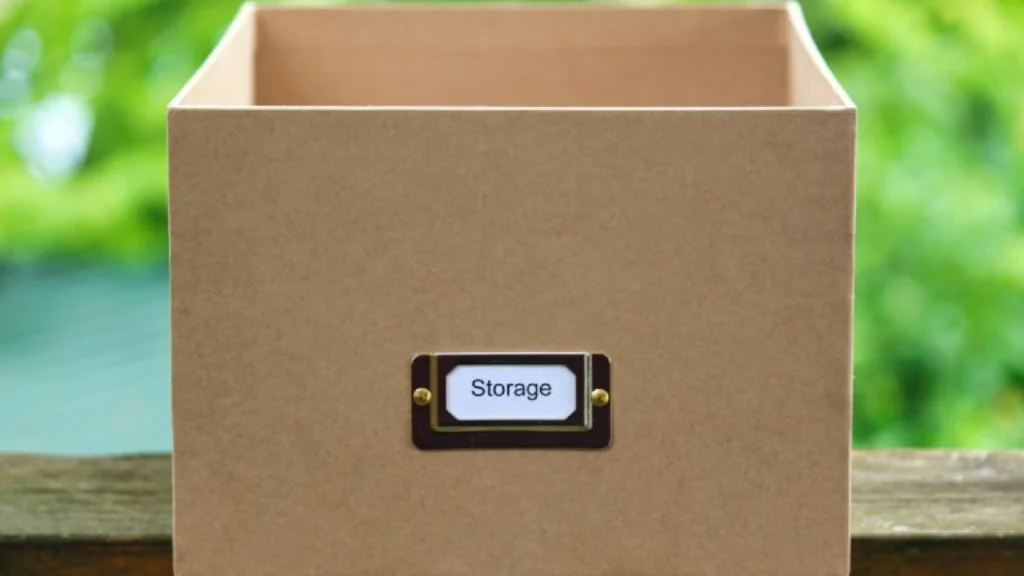
Always use professional storage when relocating your home and business simultaneously.
Relocating Your Home and Office Simultaneously is Easy With Jump Streets Movers
When relocating your home and office simultaneously, it is important to hire one company that deals with both types of moves. This way, you will avoid misunderstandings, you will reduce the downtime, and most importantly, you will avoid stress. What’s more, you can use multiple MA moving services from one company, such as packing services, piano moving assistance (if owning any), and many others. Wonder who to hire? Jump Streets Movers is the right choice. We offer a wide range of services for both types of moves at an affordable cost.