

Do you think one missed detail can derail an entire relocation? It can, because every department depends on timing, access, and clear ownership. With Jump Streets Movers by your side, you will learn how to avoid mistakes that sabotage commercial moves. First, a weak plan creates confusion. Then, small delays turn into downtime. After that, teams improvise, and assets get lost or damaged. You can avoid that chain reaction with the right structure and the right checks. Let’s focus on practical risks that hit real businesses. You will also see warning signs that predict trouble early. Use these ideas to protect revenue, customer service, and staff confidence. Keep reading, because the most expensive errors often hide inside “small” decisions.
Mistakes That Sabotage Commercial Moves Begin With Weak Ownership
A commercial relocation needs one clear owner with real authority. Without that, teams split decisions, and deadlines slip. Set one move lead, then name backups for IT, facilities, HR, and finance. Next, build a written scope that lists what moves, what stays, and what gets replaced. Then, lock a timeline that includes testing days, not just box days.
Many teams plan packing, yet forget network cutovers, access cards, alarm systems, and signage. That gap causes painful reopening delays. Also, avoid “assume and hope” planning. Confirm loading dock rules, elevator booking, and after-hours access in writing. Track every dependency in one shared document. Keep it simple, yet complete. Finally, set weekly checkpoints, then increase to daily in the last two weeks. This rhythm catches issues while they still cost little to fix. Avoid last-minute office moves and plan ahead.

One of the greatest mistakes that sabotage commercial moves is movng last-minute.
Budget Mistakes That Create Surprise Downtime Costs
Budgets fail when leaders count trucks, yet ignore downtime and rework. Start with a downtime model per function, not per department name, when budgeting for a commercial move. Sales, support, and billing often need different restart times. Next, include costs for IT cabling, patch panels, Wi-Fi mapping, and device redeployment. Then, add building fees such as dock reservations, elevator attendants, floor protection, and security overtime.
Also, plan for disposal and donation, paying attention to MA recycling rules, because old furniture can cost money to remove. Pricing surprises also show up in change orders. So, define “out of scope” items early, like server racks, lab gear, or heavy safes. Ask vendors for unit pricing on add-ons, not vague promises. Finally, hold a contingency line for last-minute fixes. Even a tight plan needs room for reality.
Mistakes That Sabotage Office Relocations With Broken Information Flow
A move can fail even when the trucks run on time. Poor communication causes duplicated work, missed handoffs, and angry clients. Build a simple message plan for staff, vendors, and customers. First, tell employees what changes, what stays, and what you expect from them. Then, publish a “do not pack” list for items like laptops, badges, chargers, and legal files.
Next, share a map of the new space and a seat assignment date. People work better when they know where they stand. You should also set one channel for move questions, so rumors do not take over. Keep escalation rules clear, too. If IT finds a cable issue, who approves a fix fast? When you prevent confusion, you also prevent delay. This is why mistakes that sabotage office relocations often start in email, not on the road.
Document And Compliance Mistakes That Trigger Legal And Service Risks
Documents can sink a move faster than a broken elevator. First, protect contracts, leases, permits, and insurance certificates. Store them in a shared system, then restrict edits. Next, list every address change you must complete, such as tax registrations, licensing boards, and bank records. Then, update vendor accounts that rely on billing addresses, because mismatches can freeze service.
You also need a clean chain of custody for sensitive files. Set rules for who packs them, who transports them, and who unlocks them. Do not mix them with general cartons. If you handle regulated data, coordinate shredding and disposal with approved providers.
Also, update emergency contacts, evacuation maps, and safety postings for the new site. These steps feel boring, yet they prevent painful compliance problems. Lastly, have all moving docs at hand. Treat documentation like an operational system, not an afterthought.

Sort your docs and ensure their safety.
Choosing A Moving Company: Red Flags You Should Treat As Deal-Breakers
The wrong mover creates damage, delays, and disputes. So, choose office moving companies in Massachusetts based on process, not charm. Start with a site walk that includes docks, freight elevators, stairs, and tight turns. If a mover refuses a walkthrough, treat that as a warning. Next, demand a written scope with packing standards, labeling rules, and protection methods for electronics. Then, verify insurance details, not just a certificate headline. Ask for claim procedures and timelines.
Also, review their commercial references, ideally in your industry. Watch for vague pricing, rushed estimates, or pressure to sign today. Confirm who runs the crew and who coordinates with your building. A commercial move needs coordination, not just muscle. Finally, confirm they can handle special items, like copiers, server racks, or medical devices. A mover should answer clearly, fast, and in writing.
Transport Mistakes: Load Strategy, Labeling, And Route Control
Transport problems often come from poor sequencing. Pack by function and priority, not by “empty room first.” Next, label for destination, room, and unpack order. A label should tell a crew exactly where to place an item. Then, separate “day one” essentials, such as routers, phones, and customer files. If those ride on the wrong truck, your reopening stalls. Secure electronics with proper padding, anti-static handling, and clear crate rules.
Also, plan routes that account for height limits, construction, and delivery windows. A short route can still fail if it crosses restricted streets. Schedule staggered deliveries when you have multiple floors or departments. That reduces hallway pileups and lost items. Finally, track every truck load with a simple manifest. When something goes missing, you need facts, not guesses.

Plan transportation to the slightest detail.
Parking And Access Mistakes That Cause Costly Bottlenecks
Parking mistakes can destroy a great plan in minutes. First, confirm dock dimensions, weight limits, and turning radius. Then, reserve the dock and elevators for the full window you need, not the window you hope for. City permits matter, too, so check local rules for curb use and meter suspensions. Some buildings restrict move hours, so plan early morning or evening work if needed.
Also, protect shared spaces and avoid mistakes that sabotage commercial moves. If your team blocks entrances or fire lanes, you risk fines and angry neighbors. Mark a clear path from the truck to the doorstep (use a moving shuttle if the doorstep is unapproachable), then cover the floors and corners. Assign one access lead who handles keys, badges, and door holds. If you rely on security staff, confirm staffing levels in writing. A single locked door can stop a crew cold. Good access planning keeps labor productive, and it protects relationships.
HOA And Building Rule Mistakes That Create Instant Conflict
Many commercial spaces follow strict building rules, even without traditional HOA laws. First, request the move policy, then read it line by line. Some sites require elevator padding, certificate of insurance wording, or specific floor protection materials. Others demand approved time windows, noise limits, and debris removal rules. If you ignore those, management can stop the move.
Also, confirm parking allocations for trucks and crew vehicles. Next, coordinate with adjacent tenants, because shared lobbies and hallways create friction during peak hours. Plan a clean staging area, so cartons do not spread into common zones. If the building requires a damage deposit, pay it on time. Then, document the pre-move condition with photos. That protects you if disputes arise later. Respecting rules does not slow you down. It removes surprises that would. However, if you hire commercial movers, you won’t have to deal with this.
Safety And Injury Mistakes That Put People And Timelines At Risk
Injuries do not just hurt people. They also stop work, trigger claims, and delay reopening. Set clear boundaries for what employees should not lift. Use pros for heavy items, awkward shapes, and high-value equipment. Then, run a short safety briefing on how to avoid moving injuries before move day. Cover trip hazards, lifting technique, and tool use. Fatigue increases risk, so schedule breaks and rotate tasks. Research on long work hours links overtime schedules with higher injury risk, including a higher hazard rate compared with jobs without overtime.
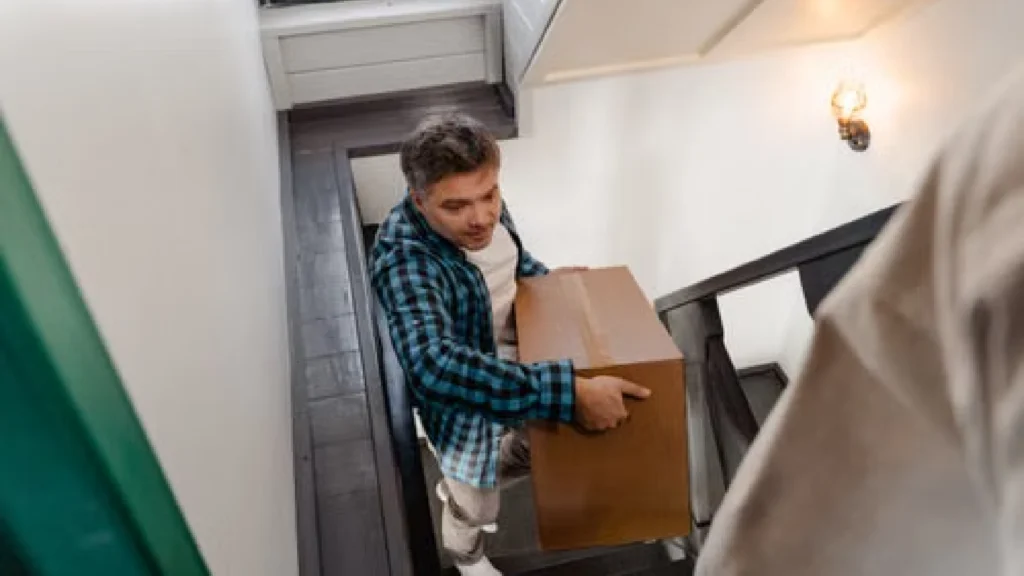
Pay attention to lifting techniques in order to avoid moving injuries.
So, avoid pushing teams into extreme late-night marathons. Provide gloves, closed-toe footwear rules, and clear walkways. Keep first aid supplies accessible. Also, control distractions. Music volume, clutter, and rushed pacing cause accidents. A safe move finishes faster because it avoids stoppages and rework.
Mistakes That Sabotage Office Relocations Through Stress And Change Resistance
People carry the move on their shoulders, so mindset matters. When leaders ignore stress, productivity drops and errors rise. Set expectations early, then repeat them in short updates. Offer practical support, like commute guidance, parking info, and a clear first-week schedule. Encourage managers to watch workload spikes, because stress can hide behind “I’m fine.” Research also shows productivity disruption during relocation can last longer than leaders expect. For example, Altair Global reported lost work focus that can add up across a standard relocation.
You do not need fear tactics. You need structure. Build a “first day ready” checklist, then rehearse it. Confirm logins, printers, phones, and meeting rooms. When people see order, they calm down. This is how you prevent mistakes that sabotage office relocations from showing up as confusion, blame, and stalled work.
Marketing And Customer-Facing Mistakes That Cut Revenue
Marketing can drop the ball during a move, even when operations run well. First, update your address everywhere customers search, especially your website, email signatures, invoices, and directories. Then, update your Google Business Profile and major listings fast, because inconsistent data confuses customers and search engines. Next, plan client messaging. Tell them what changes, and confirm service hours during the transition.
Also, protect signage. Missing exterior signs can make customers think you’re closed. If you run appointments, add extra buffer time in the first two weeks. Promote the move as a service upgrade, yet keep the message factual. Track calls and support tickets during the move window, because small spikes signal confusion. Finally, train front-line staff on the new location script. If every employee gives the same clear answer, you keep trust while you relocate.

Mistakes that sabotage commercial moves also include marketing mistakes.
Mistakes That Sabotage Commercial Moves On Move-In Week And After
Move-in week decides whether the business returns to normal or stays in chaos. Start with a priority setup order: internet, phones, security, core workstations, then shared spaces. Next, verify deliveries against your manifest and flag missing items immediately. Then, test systems before you invite customers back. Run a real workflow test, like taking a payment, shipping a package, or handling a support case.
Also, walk the site for safety and access issues. Fix cable trip points, jammed doors, and weak Wi-Fi zones right away. Schedule a post-move review within two weeks. List what worked, what failed, and what you must change for next time. Most importantly, keep ownership active after the trucks leave. This is where mistakes that sabotage commercial moves show their final cost. Treat the move as a project that ends after stabilization, not after unloading.
Don’t Forget to Organize an Eco-Conscious Commercial Move
Sustainability should guide your relocation plan from day one. Many mistakes that sabotage commercial moves also create unnecessary waste and extra costs. First, audit furniture and equipment before packing. Donate usable desks, chairs, and storage units instead of sending them to landfills. Next, choose reusable crates and recyclable packing materials. That reduces debris and lowers disposal fees. Coordinate electronic recycling with certified vendors, especially for servers and outdated devices.
Also, plan efficient truck routes to cut fuel use and idle time. Encourage staff to declutter responsibly, not throw everything away. Finally, measure your waste output and set a reduction target. An eco-conscious moving approach protects your budget, your brand reputation, and your community. Smart environmental planning keeps your move efficient and responsible at the same time, thus avoiding mistakes that sabotage commercial moves.

Don’t leave clutter after your office move.
Secure Storage On Time
Secure storage on time to prevent last-minute chaos and operational delays. If your new space is not fully ready, short-term storage keeps furniture, files, and equipment protected and organized. Consider using storage units in Chelsea MA for flexible access, secure facilities, and convenient proximity to Boston-area businesses. Early reservations help you lock in the right unit size, avoid premium rates, and maintain control over your relocation timeline. Securing storage on time means avoiding common mistakes that sabotage commercial moves.
Avoid Mistakes that Sabotage Commercial Moves. Hire Jump Streets Movers
Hire Jump Streets Movers to plan, coordinate, and execute your relocation with clear timelines, protected assets, and minimal downtime—so your team stays productive, and your business stays on track with mistakes that sabotage commercial moves.
References:
Altair Global’s Relocation Productivity Study Findings Released. (2015, November 12). Altairglobal.com. https://www.altairglobal.com/news/altair-globals-relocation-productivity-study-findings-released/